Starting a silver jewelry business is exciting—but also overwhelming if you don’t know where to begin. From choosing the right products to finding reliable suppliers and building your first sales channel, every decision matters when you’re just starting out.
The good news? You don’t need a huge budget, a physical store, or years of experience to succeed. With the right strategy, a clear plan, and trustworthy partners, many entrepreneurs successfully start a jewelry business from home and grow it step by step.
This beginner’s guide walks you through the entire process—from idea to execution—so you can avoid common mistakes and build a solid foundation for long-term growth.
Steps to Start a Silver Jewelry Business
| Step | Step Title | Key Focus | What You Need to Do |
| Step 1 | Understand the Silver Jewelry Market | Market research & positioning | Learn the basics of the silver jewelry industry, compare sterling silver and artificial jewelry, and identify demand trends before investing. |
| Step 2 | Choose Your Jewelry Niche | Product & customer focus | Decide what type of jewelry to sell (rings, necklaces, minimalist designs), define your target customers, and avoid selling too many products at once. |
| Step 3 | Create a Business Plan | Strategy & cost control | Build a clear business plan for jewellery business, including pricing, supplier strategy, target market, and long-term growth goals. |
| Step 4 | Find Reliable Suppliers | Sourcing & quality | Work with trusted sterling silver wholesalers or artificial jewellery manufacturers to ensure consistent quality, fair pricing, and scalable production. |
| Step 5 | Set Up Sales Channels | Selling & distribution | Choose where to sell your jewelry—your own website, online marketplaces, social media, or wholesale—starting with 1–2 channels. |
| Step 6 | Build Your Brand & Trust | Branding & customer experience | Create professional branding, packaging, and customer service systems to build trust and encourage repeat purchases. |
Understand the Silver Jewelry Market Before You Start
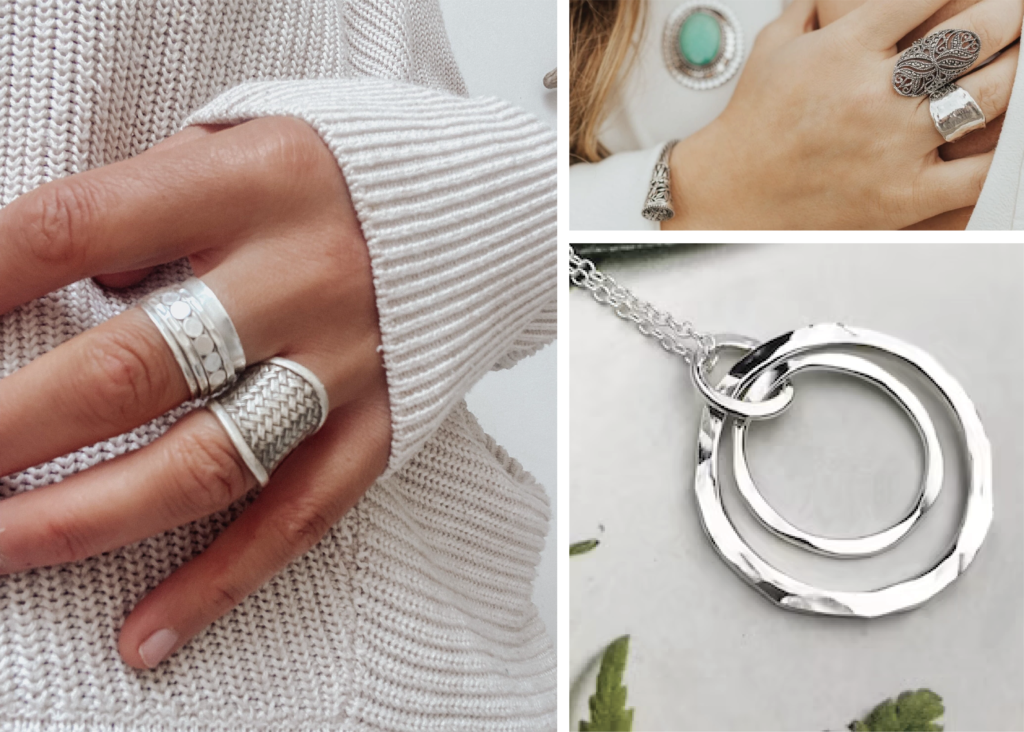
Before you invest money or place your first order, it’s essential to understand how the silver jewelry market works and where your brand fits in.
Why Sterling Silver Is a Smart Choice for Beginners
Sterling silver (925 silver) is one of the most beginner-friendly materials in the jewelry industry.
- Affordable entry point
Compared to gold or platinum, sterling silver requires much lower upfront investment, making it ideal if you’re trying to start small.
- High consumer demand
Sterling silver appeals to a wide audience—from everyday wearers to gift buyers—so it’s easier to sell consistently.
- Flexible design options
Rings, necklaces, bracelets, and earrings can all be produced in silver, allowing you to expand your product line over time.
- Easy sourcing
There are many professional sterling silver wholesalers offering ready-made designs or custom manufacturing options.
Sterling Silver vs. Artificial Jewelry: Which Should You Choose?
Many beginners struggle with this decision, and the answer depends on your business goals.
- Sterling silver jewelry
Higher perceived value and better branding potential
Stronger customer trust and repeat purchases
Ideal for long-term brand building
- Artificial jewelry
Lower cost and faster trend turnover
Suitable for testing designs and markets
Easier entry when working with experienced artificial jewellery manufacturers
Some brands even combine both—starting with artificial jewelry to test the market, then transitioning into sterling silver once demand is clear.
Decide What Type of Jewelry You Want to Sell
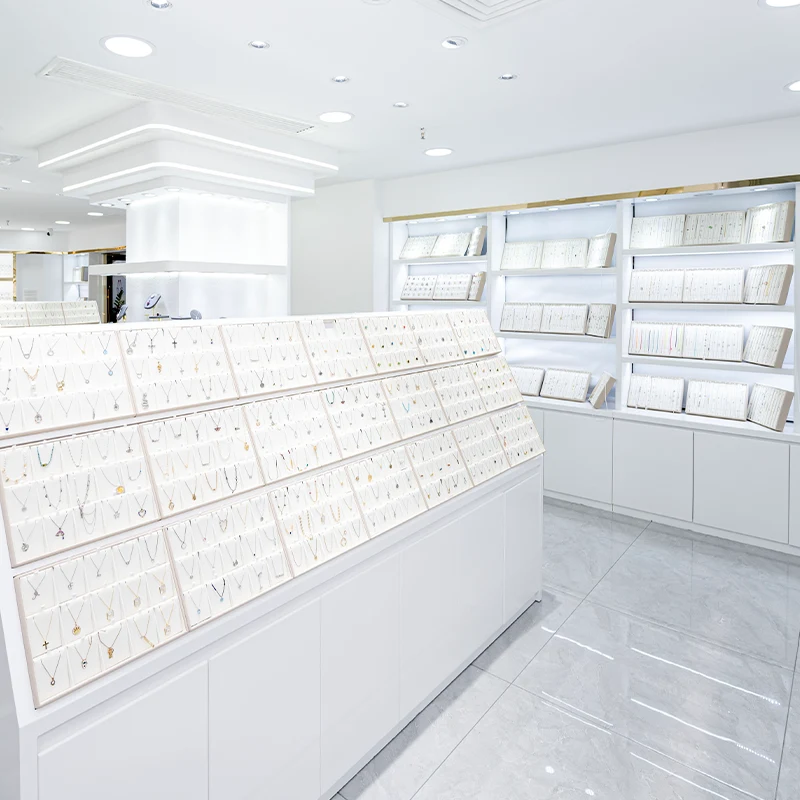
A common beginner mistake is trying to sell too many products at once. Focus wins in the early stages.
Choose a Clear Product Niche
Instead of “selling jewelry,” define exactly what you offer.
- Product category focus
Examples include rings only, minimalist necklaces, or everyday silver earrings. - Target customer group
Are you selling to women aged 20–35, gift buyers, or boutique retailers? - Price positioning
Decide whether you’re offering affordable basics or premium handcrafted designs. - Design direction
Minimalist, vintage-inspired, boho, or luxury—clarity helps with branding and marketing.
This clarity makes it much easier to explain your brand, source products, and attract the right customers.
Create a Business Plan for Your Jewelry Business
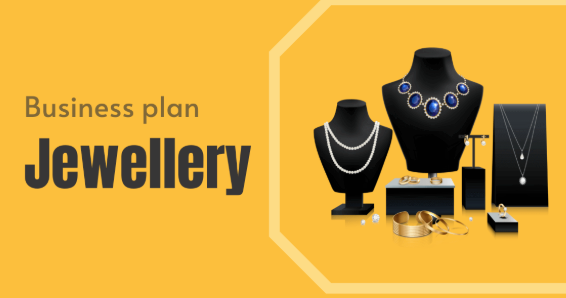
If you’re asking how to start a jewelry business the right way, the answer always includes planning.
A business plan for a jewellery business doesn’t need to be complicated, but it must be practical.
What Your Jewelry Business Plan Should Include
- Brand positioning
Your niche, target audience, and what makes your jewelry different. - Product strategy
Materials used (sterling silver or artificial), number of SKUs, and future expansion plans. - Supplier and production plan
Whether you’ll work with sterling silver wholesalers, custom manufacturers, or private-label suppliers. - Pricing and profit margins
Cost per piece, wholesale vs. retail pricing, and expected margins. - Sales and marketing channels
Online store, marketplaces, social media, or B2B wholesale.
A clear plan reduces financial risk and helps you scale with confidence instead of guessing as you go.
Find Reliable Jewelry Suppliers and Manufacturers
Your suppliers play a critical role in your product quality, delivery time, and customer satisfaction.
How to Choose the Right Sterling Silver Wholesalers
When sourcing 925 silver jewelry, look beyond price.
- Material authenticity
Ensure they use genuine 925 sterling silver and can provide material certifications. - Design and customization ability
Choose suppliers who offer OEM/ODM services if you plan to build a unique brand. - Quality control process
Ask about polishing, plating thickness, stone setting, and inspection standards. - Minimum order quantity (MOQ)
Beginner-friendly wholesalers usually offer flexible MOQs to reduce startup pressure.
Working with Artificial Jewellery Manufacturers
If you’re starting with fashion jewelry, choosing the right manufacturer is just as important.
- Trend responsiveness
Manufacturers should update designs quickly to match market trends. - Stable quality
Even low-cost jewelry must meet basic durability and finish standards. - Scalable production
Ensure they can support larger orders once your business grows.
Set Up Your Sales Channels
You don’t need a physical store to start. Many successful brands begin entirely online.
Best Sales Channels for Beginners
- Your own website
Platforms like Shopify allow you to build a professional store with low cost. - Online marketplaces
Etsy and Amazon are great for testing demand and getting early sales. - Social media selling
Instagram, TikTok, and Pinterest work especially well for visual products like jewelry. - Wholesale or B2B sales
Selling to boutiques or retailers can provide stable bulk orders once you’re ready.
Choose one or two channels first, master them, and expand gradually.
Branding, Packaging, and Customer Trust
Jewelry is emotional. Presentation matters almost as much as the product itself.
How to Build a Trustworthy Jewelry Brand
- Consistent brand story
Explain who you are, what you sell, and why your jewelry is special. - Professional packaging
Branded boxes, pouches, and care cards increase perceived value. - Clear product information
Include material details, sizing guides, and care instructions. - Customer service standards
Fast responses and transparent policies help build long-term trust.
Frequently Asked Questions (FAQ)
What Is the Easiest Jewelry to Sell?
For beginners, sterling silver jewelry is often the easiest to sell because it balances affordability and quality. Simple designs like rings, necklaces, and stud earrings appeal to a wide audience and are easy to source from reliable sterling silver wholesalers.
How Much Is Needed to Start a Jewelry Business?
You can realistically start a jewelry business with as little as $500–$2,000 if you focus on a small inventory and online sales. Larger budgets allow for custom designs, branding, and marketing, but success depends more on planning than spending. A solid business plan for jewellery business helps you control costs and grow sustainably.
How to Start a Jewelry Business from Home?
Starting from home is one of the smartest options for beginners. You can source products from wholesalers, store inventory safely at home, sell through online platforms, and handle packaging and shipping yourself. This model keeps overhead low while allowing you to test the market before scaling.
Final Thoughts: Turning Your Jewelry Idea into a Real Business

Starting a silver jewelry business doesn’t require perfection—it requires clarity, consistency, and smart decisions. By choosing the right niche, working with reliable sterling silver wholesalers or manufacturers, and following a clear plan, you can build a business that grows step by step.
If you’ve been wondering how do you start a jewelry business, the answer is simple: start small, stay focused, and keep learning. Every successful jewelry brand began exactly where you are now. To get started with high-quality silver jewelry supplies and professional support, visit us at XH Jewelry and take the first step toward building your dream brand.