In today’s highly competitive jewelry market, material choice is no longer just about aesthetics—it directly affects product quality, brand positioning, customer trust, and long-term profitability. Among all precious metal options, 925 argent sterling continues to be one of the most widely sourced materials for both fashion and fine jewelry brands.
Whether you are launching a new collection, scaling a private label program, or planning multiple seasonal jewelry drops throughout the year, understanding how 925 sterling silver is defined, sourced, tested, and positioned in the market can help you make smarter procurement decisions. This guide breaks down the fundamentals of sterling silver from a sourcing and commercial perspective, helping jewelry brands avoid costly mistakes while building reliable, high-quality supply chains.
What Is 925 Argent Sterling?
Le 925 Silver Meaning Explained
Le 925 silver meaning refers to the purity standard used to classify sterling silver in the global jewelry industry.
- Material composition and percentage clarity
925 sterling silver contains 92.5% pure silver and 7.5% alloy metals, most commonly copper. This precise ratio is internationally recognized and regulated, ensuring that buyers can expect consistent material properties when sourcing from reputable suppliers.
- Why alloying is necessary in commercial jewelry
Pure silver is extremely soft and easily deforms during daily wear. By adding controlled alloy elements, manufacturers enhance the metal’s hardness, durability, and resistance to bending, making it suitable for rings, bracelets, chaînes, and intricate settings.
- Standardization across global supply chains
Le 925 hallmark simplifies cross-border sourcing, allowing jewelry brands to communicate material specifications clearly with manufacturers, plating houses, and quality control partners in different regions.
- Impact on long-term product performance
Sterling silver balances aesthetic appeal with functional strength, making it a commercially viable metal for collections that are designed for frequent use, gifting, and repeat purchases.
What Is Sterling Silver? (Commercial and Technical Perspective)
When buyers ask what is sterling silver, they are essentially asking about both material quality and industry classification.
- Sterling silver as an industry benchmark
Sterling silver is the default silver standard used by most fine and fashion jewelry brands worldwide. It provides consistency in sourcing, manufacturing, and pricing, making it easier to scale production across multiple SKUs and collections.
- Compatibility with jewelry manufacturing processes
Sterling silver works well with casting, stamping, CNC machining, hand-finishing, and stone setting. This flexibility allows brands to develop diverse product lines without switching base materials.
- Plating and surface treatment compatibility
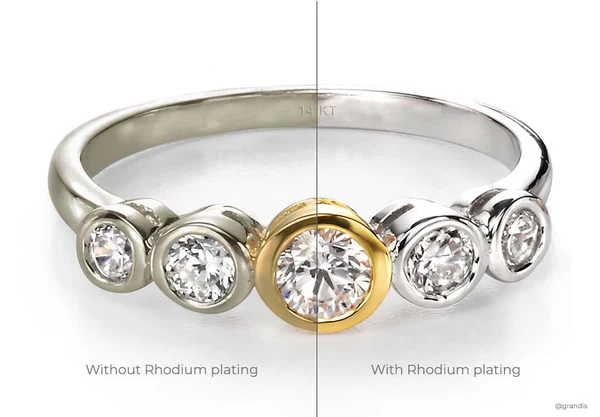
925 sterling silver is commonly plated with rhodium, gold, or other finishes to improve tarnish resistance and visual appeal. This makes it ideal for brands that offer different color variants or premium surface treatments within the same core product design.
- Consumer recognition and trust
The term “sterling silver” is widely recognized by consumers, helping brands communicate material value clearly in marketing, packaging, and product descriptions.
Silver vs Sterling Silver: What’s the Real Difference?
Understanding silver vs sterling silver is essential when positioning products in different price tiers and quality segments.
- Pure silver (fine silver) in jewelry applications
Fine silver (99.9% argent) offers high purity and brightness, but it lacks structural strength. Jewelry made from pure silver scratches easily, bends out of shape, and may not hold gemstones securely over time. - Sterling silver as a commercial compromise
Sterling silver offers a practical balance between purity and performance. The added alloy improves wear resistance while maintaining the visual and perceived value associated with silver-based jewelry. - Cost and scalability considerations
From a sourcing standpoint, sterling silver is more cost-effective and easier to mass-produce than fine silver, making it better suited for growing brands and high-volume seasonal jewelry launches. - Brand positioning and product lifecycle
Fine silver may be used for limited-edition art pieces or collectible designs, while sterling silver is better aligned with everyday jewelry lines and long-term product catalogs.
925 Sterling Silver in Seasonal Jewelry Collections
Why Sterling Silver Fits Seasonal Drops and Trend Cycles
Sterling silver is particularly well-suited for seasonal jewelry strategies, where collections are refreshed multiple times per year.
- Adaptability to changing fashion trends
Sterling silver can be easily reshaped, redesigned, and re-finished to match evolving trends across spring/summer and fall/winter collections. This allows brands to stay agile in fast-moving fashion cycles. - Lightweight comfort for seasonal wear
For summer collections, sterling silver offers a lightweight, breathable feel that pairs well with casual and resort-style fashion. For winter drops, it complements layered styling and gemstone-accented designs. - Cost control for limited-edition runs
Seasonal collections often involve shorter production cycles and smaller batch sizes. Sterling silver keeps material costs manageable while still delivering premium perceived value. - Consistency across year-round product lines
Using sterling silver as a core material allows brands to maintain visual and quality consistency between permanent collections and limited-edition seasonal releases.
Key Considerations When Sourcing 925 Argent Sterling
What Jewelry Brands Should Evaluate Before Partnering with Suppliers
- Material certifications and compliance
Verify that suppliers provide material test reports and comply with relevant regulations such as REACH or local metal content standards. This reduces regulatory risk when selling in multiple markets.
- Manufacturing capabilities and quality control
Assess whether the supplier can consistently produce complex designs, maintain alloy consistency, and meet your finishing standards across large production runs.
- Minimum order quantities and lead times
Align supplier MOQs and production schedules with your product roadmap, especially if you plan frequent seasonal jewelry launches or limited-edition drops.
- Communication and sampling process
Reliable suppliers should offer pre-production samples, clear technical drawings, and transparent communication to avoid costly design or material mismatches during mass production.
Conclusion
Choosing the right 925 sterling silver supplier is more than a material decision—it’s a long-term partnership that affects product quality, delivery stability, and brand reputation. With a deep understanding of 925 silver meaning, what is sterling silver, and the practical differences in silver vs sterling silver, jewelry brands can build more reliable supply chains and launch successful seasonal jewelry collections with confidence.
If you’re looking for a trusted manufacturing partner for custom 925 bijoux en argent sterling, XH Jewelry provides end-to-end solutions—from material sourcing and design support to sampling, mass production, and quality control.
👉 Learn more about our capabilities and start your custom project at:https://xh-jewelry.com/
FAQ: 925 Sterling Silver for Jewelry Brands
Q1: Is 925 silver pure or fake?
925 silver is genuine silver, not fake. Le 925 silver meaning refers to 92.5% real silver mixed with 7.5% alloy (usually copper) to improve strength. Pure silver is too soft for daily wear, so sterling silver is the industry standard. Authentic products are typically stamped “925” or “STERLING,” and reliable suppliers can provide test reports.
Q2: Is 925 silver good quality for jewelry?
Yes. 925 sterling silver balances appearance and durability, making it suitable for everyday wear, stone setting, and mass production. For brands, it supports stable quality and cost control, which is ideal for recurring seasonal jewelry collections.
Q3: What is sterling silver?
What is sterling silver: it is a silver alloy made of 92.5% silver and 7.5% other metals. This composition improves durability while retaining the look and value of silver, making it widely used in commercial jewelry manufacturing.
Q4: What is the difference between silver vs sterling silver?
In silver vs sterling silver, “silver” often refers to pure (fine) argent, which is softer and less durable. Sterling silver is alloyed for strength, making it more practical for daily-wear jewelry and large-scale production.
Q5: Does 925 sterling silver tarnish easily?
Sterling silver can tarnish over time due to exposure to air and moisture, but proper plating (e.g., rhodium) and basic care significantly reduce tarnishing. Many brands use surface treatments to improve wear performance for retail products.