Behind every elegant silver necklace or finely crafted pendant lies a precise and carefully controlled manufacturing journey. For brands, wholesalers, and jewelry entrepreneurs, understanding the manufacturing process of custom 925 jóias de prata esterlina is more than curiosity—it’s the key to quality control, pricing transparency, and long-term brand value.
From answering how silver is made to transforming refined silver into market-ready designs for necklace wholesale, this guide walks you through each critical stage of professional 925 silver jewelry production, step by step.
Step 1: How Is Silver Made for Jewelry Use?
Before silver becomes wearable jewelry, it must first be refined and prepared for manufacturing.
Silver Extraction and Refining
- Silver is extracted from natural ores through mining, after which it undergoes chemical and thermal refining to remove impurities.
- The refining process produces 99.9% pure silver, also known as fine silver, which serves as the base material.
- At this stage, the silver is too soft for practical jewelry use, especially for items like necklaces and pendants that face daily wear.
Why Pure Silver Needs Alloying
- Pure silver bends and scratches easily, making it unsuitable for structural jewelry components.
- To create silver to make jewellery manufacturers must strengthen the material without compromising its appearance.
- This is where sterling silver standards come into play.
Step 2: Creating 925 Sterling Silver Alloy
925 sterling silver is engineered for both beauty and durability.
Alloy Composition Explained
- 925 silver consists of 92.5% pure silver and 7.5% copper.
- Copper enhances hardness, improves shape retention, and increases resistance to deformation.
- This balance ensures jewelry remains elegant while withstanding long-term use.
Melting and Alloy Mixing
- Pure silver and copper are melted together at high temperatures in controlled furnaces.
- Precise ratios are critical—any imbalance can affect color, strength, or tarnish resistance.
- Once fully mixed, the molten 925 silver is ready for forming into usable materials.
Step 3: Forming Silver Materials for Jewelry Production
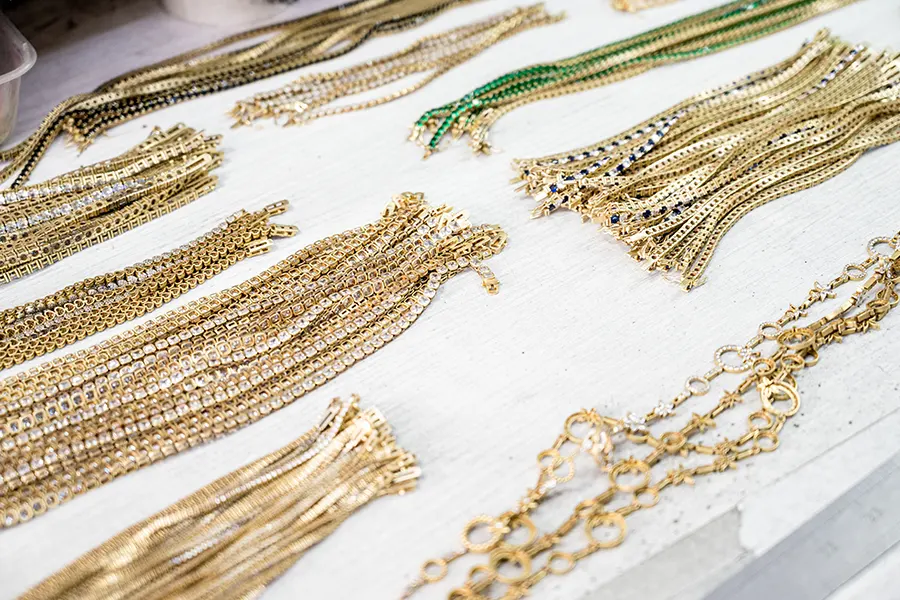
After alloying, the silver must be shaped into workable forms.
Casting Silver Bars, Sheets, and Wires
- Molten sterling silver is poured into molds to create bars or ingots.
- These bars are rolled into sheets or drawn into wires depending on design needs.
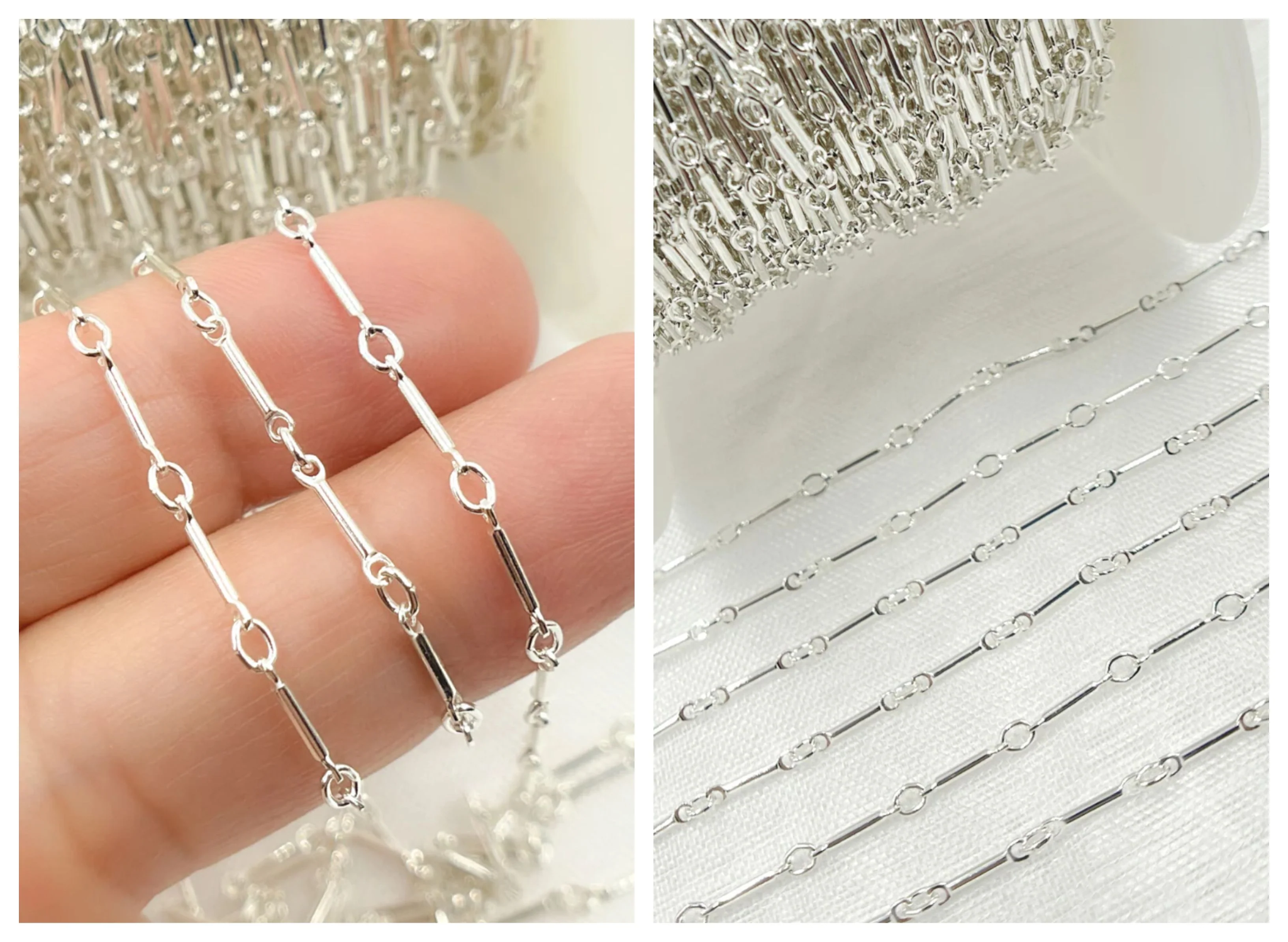
- Different thicknesses are prepared for pendants, correntes, clasps, and decorative elements.
Preparing Materials for Custom Designs
- Sheets are commonly used for silver pendant making and engraved pieces.
- Wires are essential for chain manufacturing and detailed handcrafted elements.
- At this stage, the silver is now fully prepared for jewelry fabrication.
Step 4: Jewelry Manufacturing and Shaping
This is where custom designs begin to take physical form.
Casting and Molding Techniques
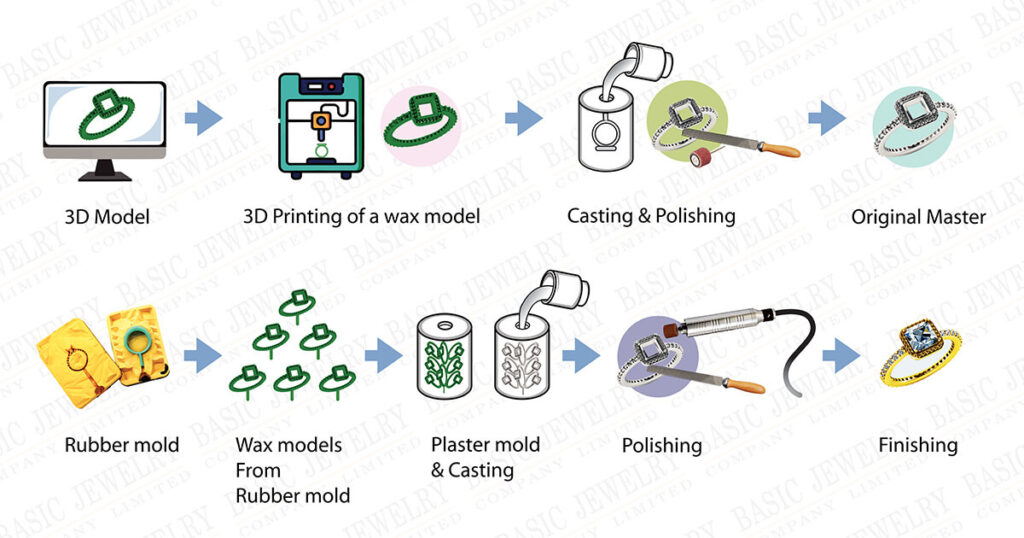
- Wax molds or 3D CAD-based molds are created for precise designs.
- Molten silver is injected into molds using centrifugal or vacuum casting.
- This method ensures consistency, especially for bulk necklace wholesale orders.
Handcrafting and Assembly
- Some components are hand-cut, bent, or soldered for refined detailing.
- Pendant frames, chain links, and decorative accents are assembled individually.
- Skilled craftsmanship ensures both aesthetics and structural integrity.
Step 5: Stone Setting and Detailing
For jewelry that includes gemstones or decorative finishes, additional processes are involved.
Gemstone and Accent Placement
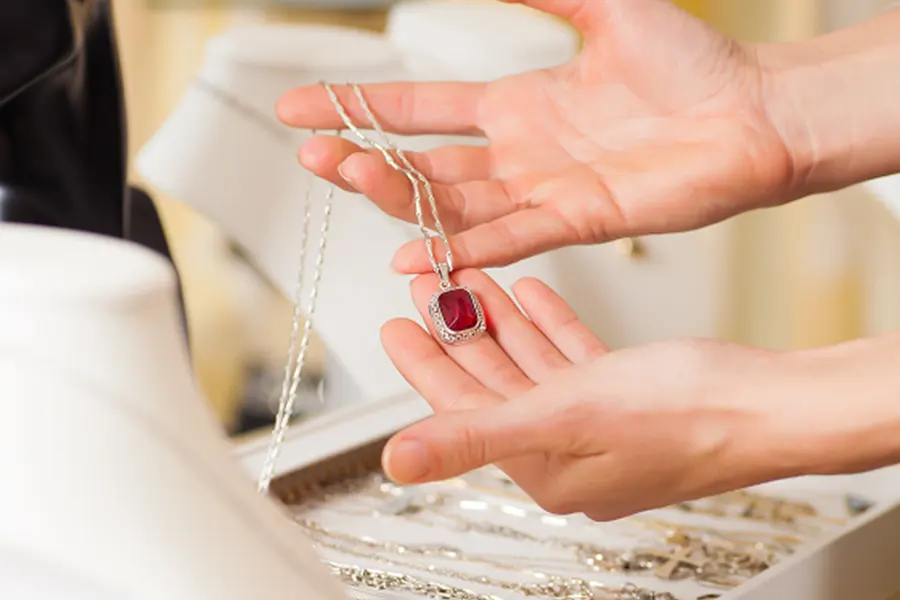
- Stones are set using prong, bezel, or pavé techniques depending on the design.
- Secure settings are especially important for pendants and necklaces intended for daily wear.
- This step adds perceived value and uniqueness to custom jewelry pieces.
Surface Detailing and Texture
- Engraving, stamping, or textured finishes are applied to enhance visual appeal.
- These details differentiate mass-produced jewelry from premium custom designs.
Step 6: Polimento, Chapeamento, and Finishing
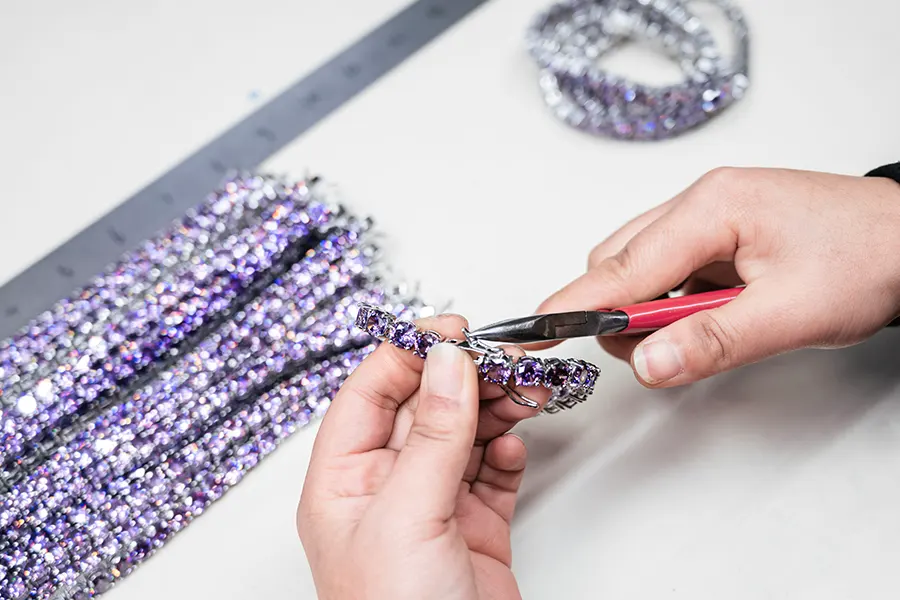
Finishing determines how the jewelry looks and feels to the end customer.
Polishing and Surface Treatment
- Jewelry is polished using multiple stages, from rough buffing to mirror finishing.
- Smooth edges and consistent shine are essential for customer satisfaction.
- Special finishes such as matte, oxidized, or brushed silver may also be applied.
Optional Plating
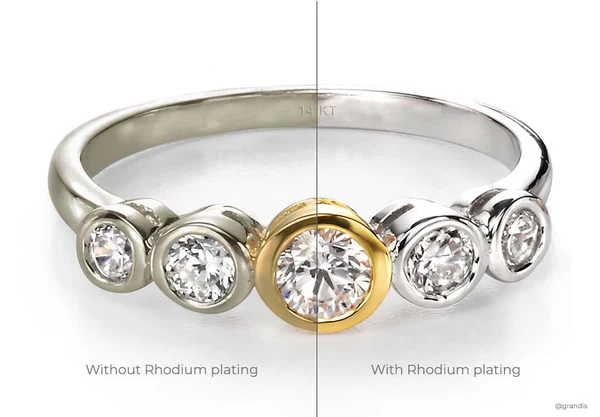
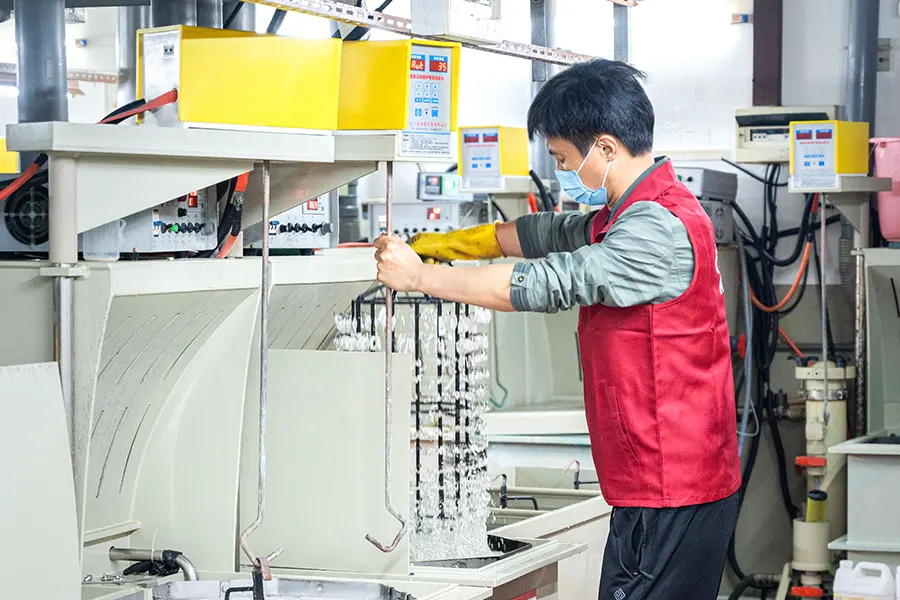
- Rhodium plating is often added to improve tarnish resistance and brightness.
- This is common for necklace wholesale products targeting international markets.
Step 7: Quality Inspection and Packaging
Before shipping, every piece undergoes strict quality control.
Inspection Standards
- Weight, dimensions, and silver purity are checked.
- Clasps, solder joints, and stone settings are tested for durability.
- Only pieces meeting export-quality standards proceed to packaging.
Packaging for Wholesale and Branding
- Jewelry is packed to prevent scratching and tarnishing during transport.
- Custom branding options are often available for wholesale clients.
FAQs About 925 Joias de prata esterlina
How Is 925 Silver Made?
925 silver is created by refining pure silver and alloying it with copper to improve strength. This process ensures the material is suitable for silver to make jewellery, including necklaces, anéis, e pingentes, while maintaining its signature shine.
How Much Is 1 Gram of 925 Silver Worth?
The value of 1 gram of 925 silver depends on the global silver price and market fluctuations. However, finished jewelry pricing also includes manufacturing, craftsmanship, and design costs—especially for customized or wholesale orders.
What Forms of Silver Are Used in Jewelry Manufacturing?
Before jewelry production begins, silver is processed into various workable forms.
- Silver sheets for pendants, engraved plates, and charms
- Silver wires for chains, links, and decorative elements
- Silver castings for complex or high-volume designs
These forms allow flexibility in both handcrafted and mass-production methods, especially for necklace wholesale orders.
Conclusion: Why Understanding the Process Matters
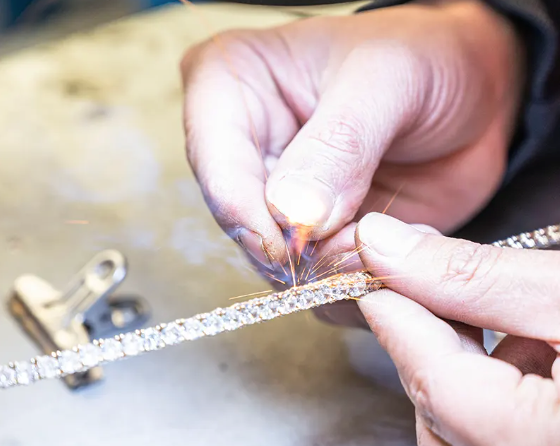
Understanding the manufacturing process of custom 925 sterling silver jewelry empowers brands to make informed sourcing decisions, control quality, and scale with confidence. From learning how silver is made to mastering production techniques for silver pendant making and necklace wholesale, every step in the process contributes to the final value of your jewelry collection.
If you are looking for a reliable 925 sterling silver jewelry manufacturer that combines craftsmanship, stable quality, and flexible customization, XH Jewelry is here to support your brand’s growth. With extensive experience in custom silver jewelry production, wholesale supply, and OEM/ODM services, we help global brands turn ideas into market-ready products.
👉 Learn more or start your custom project athttps://xh-jewelry.com/
Let’s create silver jewelry that reflects your brand’s vision—and stands out in the market.