A silver jewelry order can look correct and still have problems with purity, weight, stone setting, surface finish, hallmarks, or packaging. These issues are easier to control when quality checks happen throughout production rather than only after the finished pieces are complete.
This guide covers 9 key inspection steps and what wholesale buyers should verify at each stage.
Why Multiple QC Checks Matter
Different production stages can create different quality issues. Checking materials before production, inspecting pieces during manufacturing, and reviewing finished goods before shipment helps catch problems earlier and reduces the risk of defective products reaching the buyer.
The 9-Step Silver Jewelry Inspection Process
| Step | What Is Checked | Common Defects | Buyer Verification |
|---|---|---|---|
| 1. Raw Material | Silver purity, weight, stones | Wrong alloy, substituted stones | Ask for material/test records |
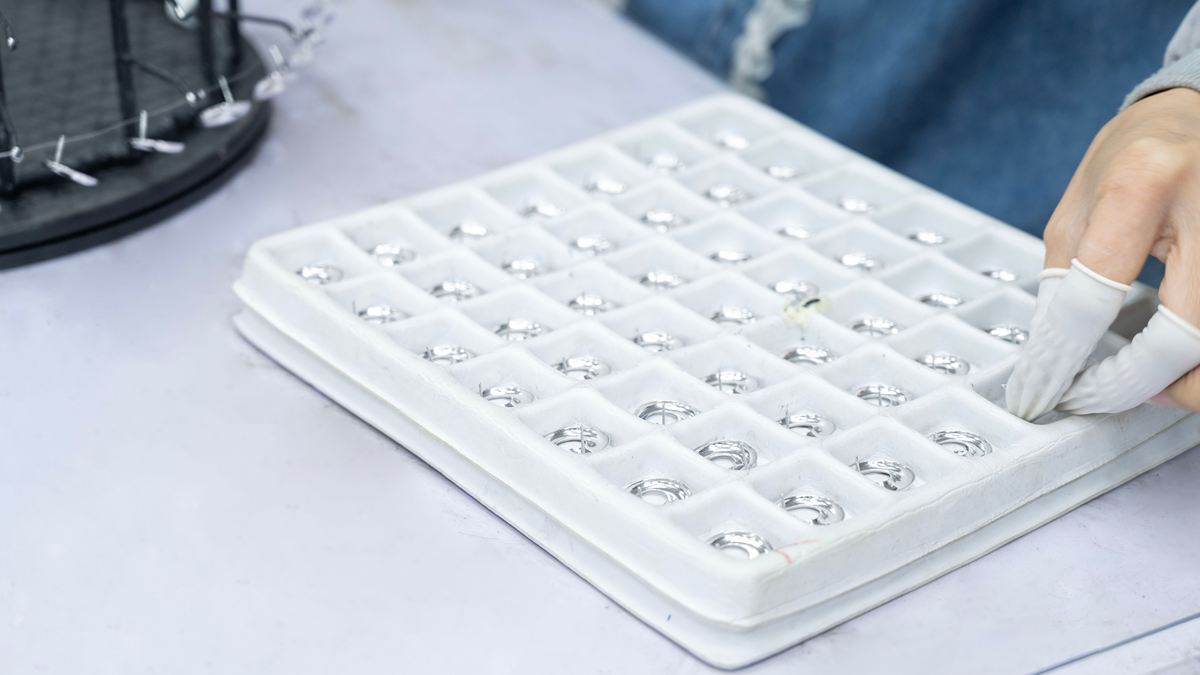
| 2. In-Process | Casting, polishing, setting | Cracks, scratches, loose stones | Request stage QC photos/records |
| 3. Finished Product | Size, weight, appearance | Size variation, finish defects | Compare against approved sample/spec |
| 4. Hallmark & Label | 925 mark, required labels | Missing/blurred marks | Check sample before bulk |
| 5. Testing & Certificates | Applicable test reports | Expired/mismatched reports | Match report to product/material |
| 6. Verpackung | Product/packaging match | Wrong box, missing inserts | Approve packaging sample |
| 7. Final QC | Batch sampling/recheck | Batch-level inconsistencies | Ask for inspection standard |
| 8. Defect Handling | Rework/scrap separation | Failed pieces re-entering stock | Ask how rejected pieces are controlled |
| 9. Pre-Shipment | Quantity, cartons, condition | Short shipment, wrong items | Check packing list and final inspection |
The exact checks depend on the jewelry type, materials, buyer specifications, and destination market. The inspection standard should be agreed with the supplier before bulk production begins.
1. Raw Material Inspection
Material checks confirm that the silver and other components meet the specifications agreed for the order before production begins.
The supplier should verify silver purity, material type, weight, and any required stones or other components. For wholesale orders, buyers should also confirm that the materials can be traced to the relevant production batch and that test records are available where required.
- Check: Silver purity, material specifications, component requirements, and supporting test records.
- Buyer verification: Ask how incoming materials are recorded and how they are matched to your order.
2. In-Process Inspection
Production checks focus on defects that can develop during casting, polishing, setting, and assembly.
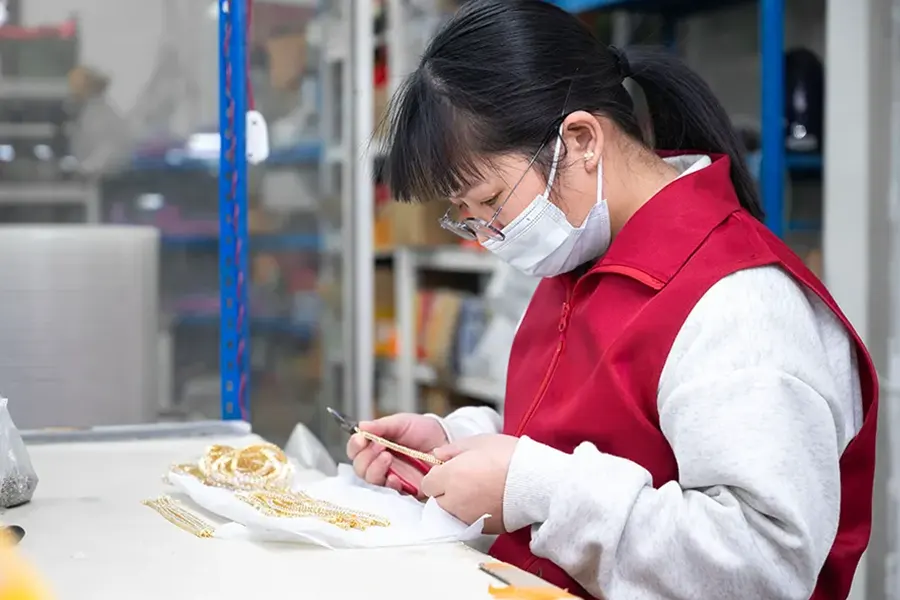
The inspection points depend on the product. Casting may affect shape and dimensions, polishing can create scratches or uneven surfaces, and stone setting may result in loose or misplaced stones. For custom or complex designs, the approved sample, drawing, or specification should guide these checks.
- Check: Shape, dimensions, surface finish, stone setting, soldered joints, clasps, and other key components.
- Buyer verification: For higher-risk designs, request relevant production photos or QC records.
3. Finished Product Inspection
Finished product inspection checks whether the completed jewelry matches the approved design and specifications.
The supplier should review appearance, dimensions, weight, construction, and function where applicable. For wholesale orders, the focus should also extend beyond individual pieces to batch consistency. Comparing finished goods with the approved sample or product specification helps identify differences before shipment.
For repeat orders, previous QC records can also provide a useful reference for checking changes in weight, dimensions, finish, or other key specifications.
4. Hallmark and Label Inspection
Hallmarks and labels provide basic information about the material and product identity, but requirements can vary by market and product type.
Check whether the required 925 mark, brand mark, care label, or other product information is present, clear, and consistent with the order. Buyers should confirm the applicable requirements for their destination market rather than assuming every silver jewelry product needs the same markings.
5. Testing and Certificate Verification
Testing provides evidence for requirements that cannot be confirmed through visual inspection alone.
Depending on the product and destination market, buyers may need to review reports covering silver composition, restricted substances, or other applicable requirements. Check that the report matches the relevant product or material and that the testing scope is appropriate for the order.
Avoid relying on a certificate simply because a supplier displays it on its website. The document should be relevant to the products being purchased and, where applicable, issued by a recognized testing or certification body.
Build Your Brand With Quality Silver Jewelry
6. Packaging Inspection
Packaging checks make sure the finished products are packed according to the approved order requirements.
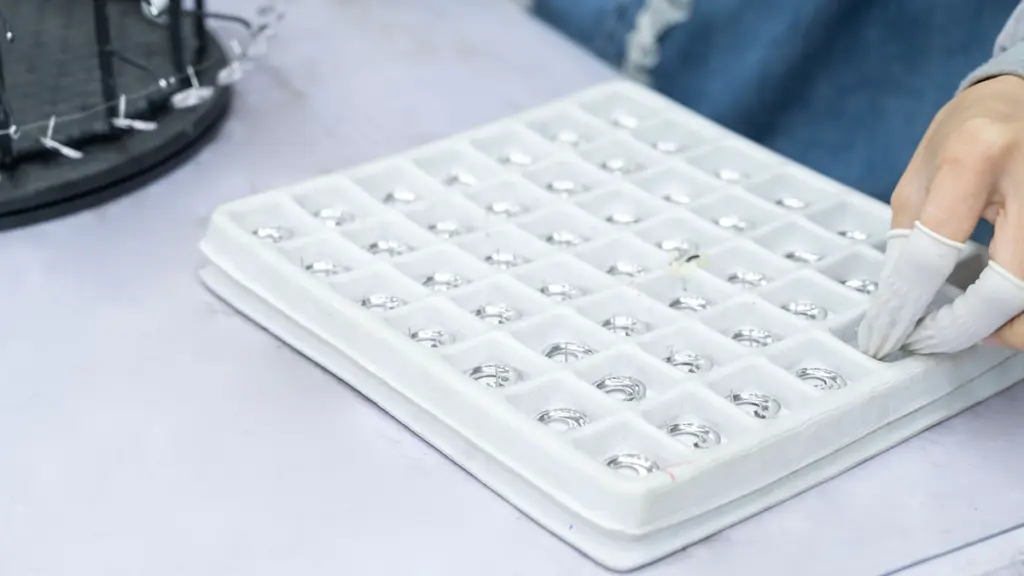
Verify the jewelry type, quantity, labels, inserts, boxes, bags, and other packaging components. A packaging sample or approved reference can help prevent issues such as incorrect branding, missing inserts, or unsuitable packaging before shipment.
7. Final Quality Inspection
A final inspection brings the previous checks together before the order is released for shipment.
The inspection may cover appearance, measurements, weight, function, markings, packaging, and quantity. For larger orders, buyers should also understand how the supplier selects samples and defines acceptable defect levels.
If an inspection standard such as AQL is used, the buyer should agree on the standard and acceptance criteria before production rather than introducing them after the goods are finished.
8. Defect Handling and Reinspection
Finding a defect is only part of quality control. The supplier also needs a process for separating, correcting, and rechecking non-conforming pieces.
Rejected items should not be mixed back into finished stock without further inspection. Depending on the defect, pieces may be reworked, replaced, or scrapped, followed by another check before they are approved.
For buyers, the key question is how failed pieces are controlled after inspection, especially when the order contains large quantities or repeated production runs.
9. Pre-Shipment Inspection
The final check confirms that the approved goods, quantities, and shipping details are ready to leave the factory.
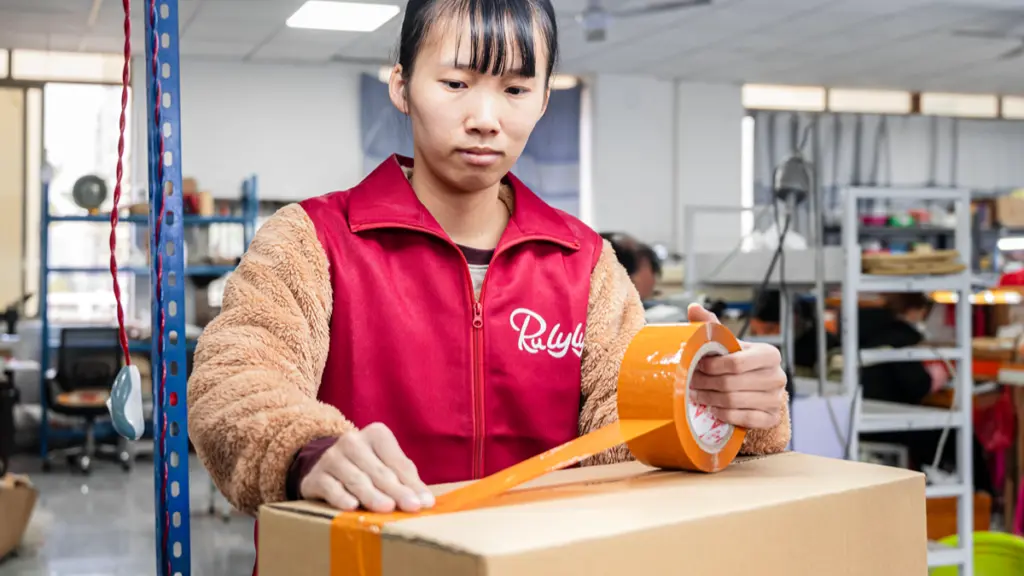
Before shipment, compare the finished order with the purchase order and packing list. Check SKU or style numbers, quantities, packaging, carton markings, and any special shipping requirements.
For larger or customized orders, a pre-shipment inspection can also provide a final opportunity to identify discrepancies before the goods leave the supplier’s control.
How Buyers Can Verify a Supplier’s QC Process
A supplier’s QC process is easier to assess when you ask for specific evidence rather than relying on general quality claims.
Ask for QC Records
Request examples of inspection records that are relevant to your product, such as material checks, in-process inspection records, final inspection reports, or defect records. The documents do not need to reveal confidential customer information, but they should show what the supplier actually checks and records.
Match QC With Your Product
Not every jewelry order requires the same inspection points. A simple pendant may need fewer checks than a multi-stone ring or a design with moving parts. Ask the supplier to identify the main quality risks for your product and how they will be checked.
Define Acceptance Criteria Before Production
Put important requirements in writing before production starts. These may include silver purity, dimensions, weight tolerance, stone requirements, surface finish, markings, packaging, and acceptable defect levels.
An approved sample, drawing, or specification sheet can then serve as the reference during production and final inspection.
Use the First Order as a Verification Point
A first order gives buyers an opportunity to compare the supplier’s stated process with the actual goods received. Record any recurring defects and use them to clarify inspection requirements for future orders.
For repeat production, previous inspection results can also help both sides identify quality changes between batches.
Working With a Silver Jewelry Manufacturer
Once your inspection requirements are clear, discuss them with the supplier before production begins. If you are developing custom jewelry, the supplier’s OEM/ODM capabilities should also be considered alongside its quality control process.
Have a specific silver jewelry project in mind? Share your product requirements with XH-Jewelry to discuss the inspection points, testing needs, and specifications for your order.
Frequently Asked Questions
Why does silver jewelry need inspection during production, not just at the end?
Most jewelry defects are introduced at a specific stage — a casting flaw, a loose setting, a scratch from handling. Catching them at that stage costs a rework cycle; catching them after final polish, Überzug, and packaging costs the entire finishing chain. In-process inspection also reveals which machine or operation produces the problem, so it gets fixed at the source instead of recurring in every batch.
What does raw material inspection check for in 925 silver production?
Two things: the metal and the stones. Incoming silver is checked for purity and weight to confirm it meets the 925 standard before entering stock. Gemstones — whether natural, synthetic, or pearl — are verified for authenticity, color, clarity, and weight. This is the cheapest point to catch alloy substitution or stone swapping, before any labor has been invested.
What is checked on jewelry hallmarks and labels before shipment?
Hallmarks are verified for completeness, clarity, and placement — the 925 purity mark, maker’s identification, and any stone-weight stamps. Labels must carry material and purity, product name, weight, the applicable standard, proof of conformity, manufacturer name and address, and required warnings. For regulated markets like the EU, non-compliant marking is a customs and legal issue, not a cosmetic one.
Which certifications should a silver jewelry QC process be backed by?
ISO 9001 certifies the quality management system itself, and ISO 14001 the environmental system. SGS and REACH document material testing and chemical compliance, which EU buyers in particular should require. SMETA and WCA cover social and workplace audits that large retail chains often mandate. UL addresses component safety for North American markets. Together they make the QC process auditable by third parties rather than self-declared.
What happens to pieces that fail inspection?
Failed pieces are routed to a defined disposition: rework if the defect is correctable, scrap if it is not. The critical discipline is segregation — failed goods are physically and administratively kept out of passing stock so a known defect cannot reach the shipment pile. Reworked pieces re-enter inspection at the relevant step rather than bypassing it.
Do ready-stock designs go through the same inspection as custom orders?
Yes — the same nine steps apply, because a stock piece still carries the same hallmark, labeling, and material obligations as a custom one. The difference is speed: with no minimum order quantity and 200+ designs ready to ship, a buyer can test the stock inspection standard on a small mixed order before committing to any production run.
How can I verify a supplier’s quality control before placing a bulk order?
Three steps: ask for records (inspection logs, audit reports, defect dispositions) rather than slogans; confirm certifications match your destination market; and run a sample order through the full checklist yourself. XH-Jewelry supports this with free samples, free CAD confirmation before production, and no minimum order quantity, so verification does not require committing to a bulk run.