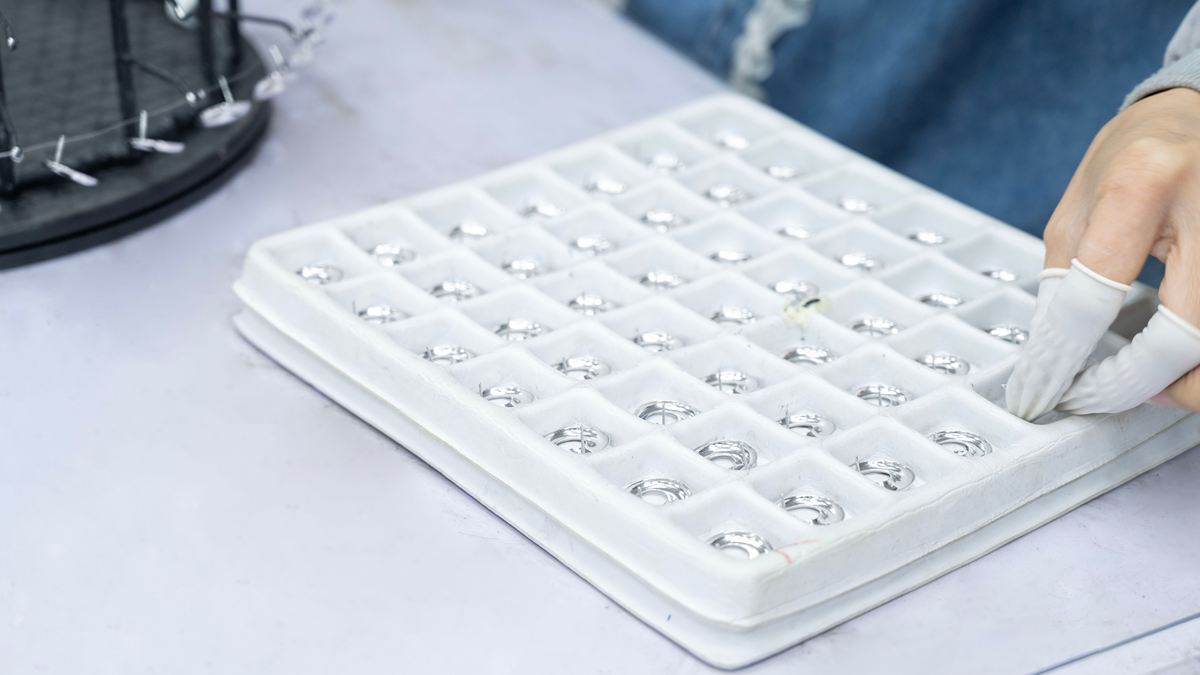
Sterling silver tarnish is a common issue that makes jewelry look dull, dark, or aged over time, often confusing buyers who think the product is damaged. This guide explains why tarnish happens, how fast it develops, and how to clean and prevent it effectively.
What is Sterling Silver Tarnish?
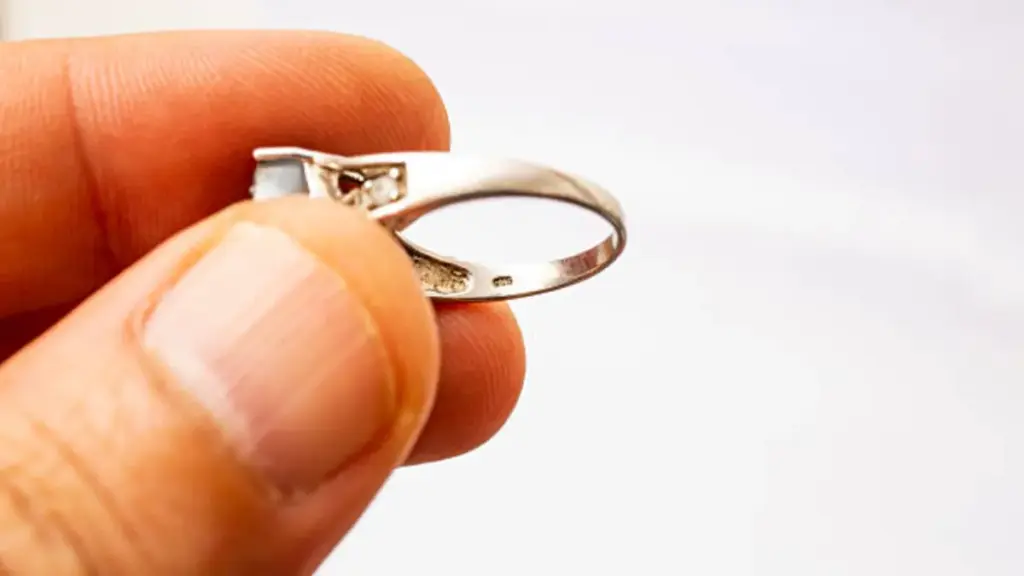
Sterling silver tarnish refers to a surface change that develops when silver interacts with sulfur and oxygen in everyday environments, gradually altering its original bright appearance.
Definition of Tarnish as a Surface Chemical Reaction
- Silver sulfide (Ag₂S): Tarnish forms as a thin layer of silver sulfide on the surface
- Surface reaction: Silver reacts with sulfur-containing compounds in air, moisture, and pollutants
- Cosmetic change: Tarnish affects appearance only and does not weaken the metal structure
Tarnish remains a surface-level transformation rather than deep material damage. It develops gradually and can be fully removed through proper cleaning methods.
Visual Characteristics of Tarnish
Tarnish develops gradually and affects both color and surface reflection before becoming more visible in detailed areas.
| Scène | Appearance | Surface Behavior |
|---|---|---|
| Early stage | Light yellow / golden tone | Initial surface reaction begins |
| Middle stage | Brown / dull gray | Oxidation becomes visible |
| Advanced stage | Dark gray / black | Thick tarnish layer forms |
Why Sterling Silver Tarnishes
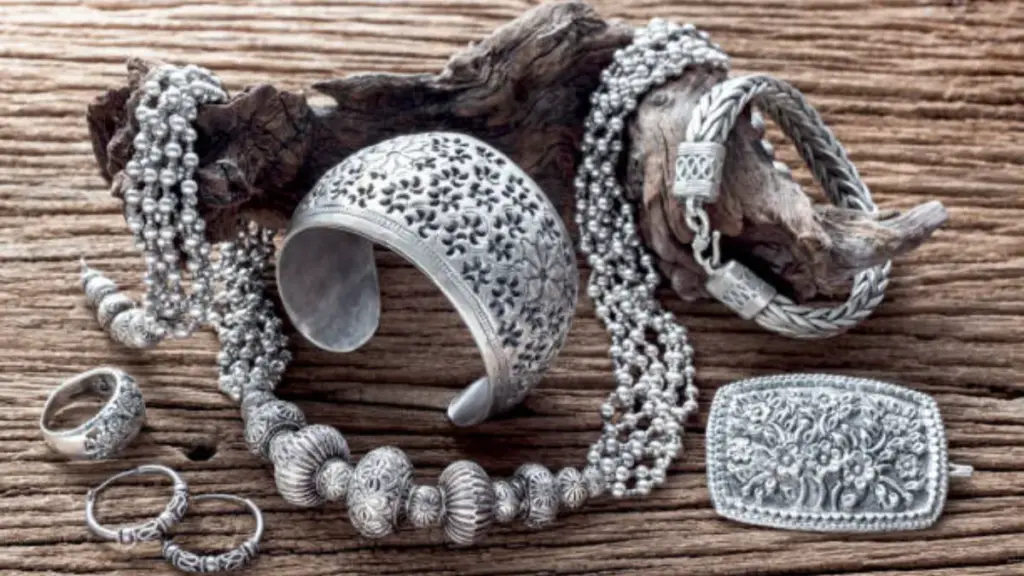
Sterling silver tarnishes because its surface reacts naturally with sulfur compounds in the environment, forming a thin layer that gradually changes its appearance over time. This process is influenced by both the metal’s composition and everyday exposure conditions.
Chemical Cause (Core Reaction)
At the core of tarnish is a predictable chemical reaction between silver and sulfur.
- Silver sulfide formation (Ag₂S): Silver reacts with sulfur compounds in the air to form a dark surface layer known as silver sulfide.
- Sulfidation process: This reaction slowly builds up on the surface and is the main reason sterling silver loses its bright shine.
- Role of copper in the alloy: Le 7.5% copper content in sterling silver increases overall reactivity, making the alloy more sensitive to environmental changes compared to pure silver.
This chemical process happens continuously, even at a very slow rate, as long as the metal is exposed to air.
Environmental Triggers (External Factors)
While the chemical reaction is constant, the speed of tarnishing depends heavily on external conditions.
- Humidity and moisture: Water vapor in the air accelerates the interaction between sulfur compounds and the metal surface.
- Air pollution: Urban environments often contain higher levels of sulfur-based compounds, which speed up tarnish formation.
- Household chemicals: Everyday products like perfume, lotion, and cleaning agents can leave residues that react with silver.
- Skin contact: Natural oils, sweat, and skin acidity vary from person to person, which explains different tarnishing speeds.
- Storage conditions: Open-air storage exposes silver to oxygen and moisture, while sealed environments significantly slow down oxidation.
These external elements do not change the chemistry itself, but they strongly influence how fast it becomes visible.
Launch Your Jewelry Brand, Sans risque.
How Fast Does Sterling Silver Tarnish?
Sterling silver does not have a fixed tarnish speed. The rate depends heavily on environment, storage, and daily wear habits.
| Condition | Tarnish Speed | Description |
|---|---|---|
| Daily wear (normal use) | 2–6 months | Slow oxidation controlled by natural skin contact and light friction |
| Humid or polluted environment | 1–4 weeks | Moisture and airborne sulfur compounds speed up surface reaction |
| Airtight storage | 1–3 years | Limited oxygen exposure significantly slows tarnish formation |
| Bathroom / high moisture storage | A few days to weeks | Steam and constant humidity accelerate oxidation process |
| Chemical exposure (chlorine, perfume) | Immediate to days | Strong chemical reactions cause rapid darkening on the surface |
Tarnish speed is mainly influenced by exposure conditions rather than time alone. Regular wear may slow visible tarnish through gentle surface contact, while sealed or dry storage environments significantly reduce oxidation.
Tarnish vs Other Common Silver Surface Changes
Tarnish is often confused with other surface reactions, but their causes and reversibility are different.
| Type | Cause | Appearance | Reversibility |
|---|---|---|---|
| Tarnish | Silver reacts with sulfur (Ag₂S formation) | Yellow → brown → black surface layer | Fully removable with cleaning |
| Oxidation (general metal reaction) | Reaction with oxygen and moisture | Dull or slightly darkened surface | Usually reversible |
| Corrosion / damage | Strong chemicals or long-term neglect | Surface pitting or permanent marks | Not fully reversible |
How to Clean Tarnished Sterling Silver
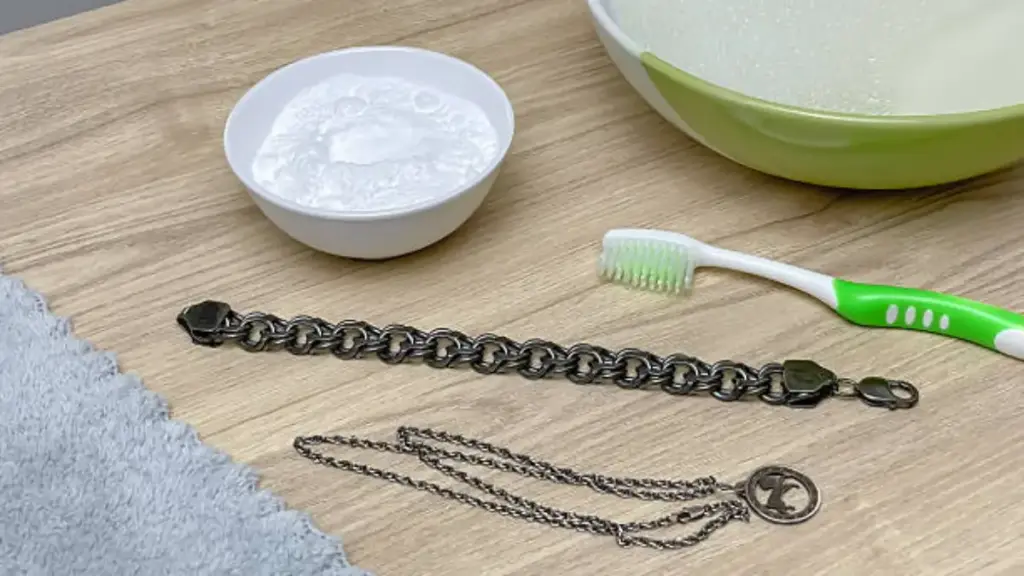
Sterling silver tarnish can be removed in most cases using simple home methods. Choosing the right cleaning approach depends on how heavy the tarnish is and the type of jewelry material.
Routine Cleaning with Soap and Polishing Cloth
Light tarnish and daily residue respond well to gentle cleaning methods that protect the surface and maintain long-term shine.
- Mild soap solution: Mix dish soap with warm water to lift surface oils and light dirt without damaging silver.
- Soft cleaning tool: Use a soft brush to reach detailed or engraved areas safely.
- Thorough rinsing: Remove all soap residue to avoid surface dullness or spotting.
- Complete drying: Dry with a lint-free cloth to prevent moisture-related oxidation.
- Polishing finish: Use a silver polishing cloth to restore natural brightness and shine.
This approach is suitable for regular maintenance and helps reduce early-stage tarnish buildup over time.
Medium Tarnish Removal with Baking Soda Method
Moderate tarnish requires a slightly stronger cleaning approach to remove deeper surface discoloration.
- Baking soda paste: Mix baking soda with a small amount of water to create a mild abrasive cleaner.
- Controlled application: Apply gently with a soft cloth to avoid scratching the surface.
- Circular motion cleaning: Rub lightly to lift oxidation evenly across the surface.
- Careful rinsing and drying: Remove all residue and dry completely to prevent water spots.
This method effectively restores surface brightness while maintaining the integrity of the silver when applied with care.
Advanced Cleaning for Heavy Tarnish (Foil Reaction Method)
Severe tarnish requires a chemical reaction process that helps reverse deep surface oxidation.
- Aluminum foil base: Line a bowl with foil to create a reactive cleaning surface.
- Hot water + baking soda: Combine to activate the electrochemical reaction process.
- Metal contact setup: Ensure silver touches the foil for effective reaction transfer.
- Tarnish reversal reaction: The silver sulfide layer converts back into silver, restoring shine.
This process works best for solid silver pieces and is not recommended for jewelry with gemstones or glued components due to potential damage risk.
How to Prevent Sterling Silver Tarnish
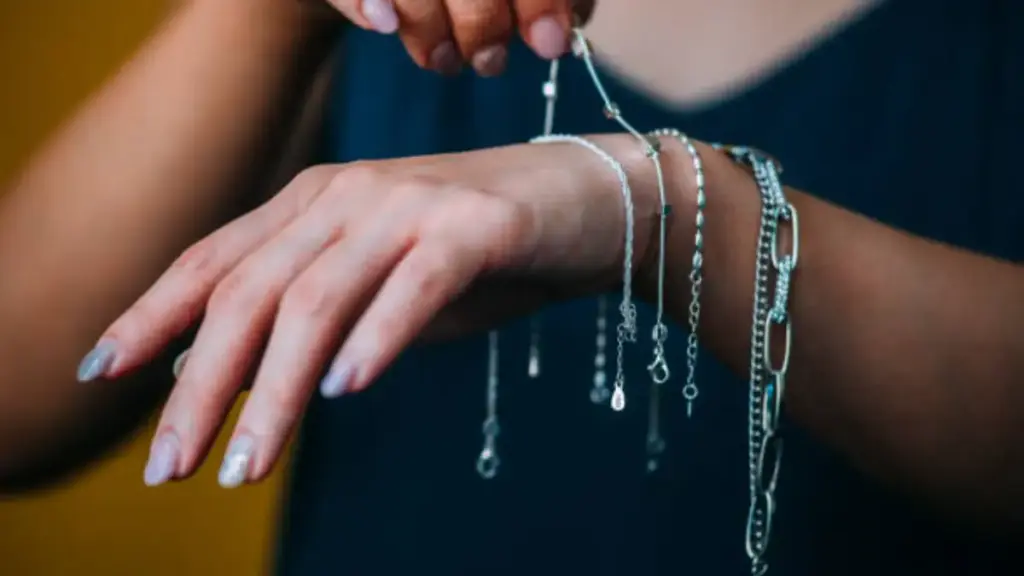
Preventing tarnish is more effective than removing it after it forms. A consistent care routine reduces exposure to moisture, sulfur, and daily chemicals, helping sterling silver maintain its brightness for a longer time.
Proper Storage System (Airtight + Anti-Tarnish Protection)
Correct storage is the first step in controlling tarnish because it limits exposure to air and moisture.
- Airtight storage: Store jewelry in sealed bags or closed boxes to reduce contact with oxygen and humidity.
- Anti-tarnish protection: Use anti-tarnish strips to absorb sulfur compounds in the storage environment.
- Dry environment control: Keep storage areas cool and dry to slow down chemical reactions.
- Separate storage: Store each piece individually to prevent scratches and surface contact.
Good storage directly reduces the speed of oxidation and keeps silver brighter for longer periods.
Protective Wearing Habits (Chemicals + Moisture Avoidance)
Daily wearing habits strongly influence how quickly tarnish becomes visible on the surface.
- Last on, first off rule: Put jewelry on after applying cosmetics and remove it before cleaning routines.
- Avoid water exposure: Do not wear sterling silver during showers, swimming, or hot environments.
- Limit chemical contact: Keep jewelry away from perfumes, lotions, and hair products.
- Reduce household exposure: Remove pieces before using cleaning agents or strong detergents.
These habits reduce direct chemical interaction with the metal surface, which is a key trigger for tarnish formation.
Maintenance Routine for Long-Term Shine
Regular maintenance helps control early oxidation before it develops into visible tarnish.
- Post-wear cleaning: Wipe jewelry after use to remove skin oils and sweat.
- Early intervention cleaning: Clean lightly when the first signs of dullness appear.
- Regular polishing: Use a polishing cloth to maintain surface brightness.
- Avoid delayed cleaning: Do not wait until heavy tarnish builds up before maintenance.
Consistent maintenance slows down surface buildup and helps preserve the natural shine of sterling silver.
Sterling Silver for Long-Term Wear and Value
Among different types of sterling silver used in jewelry, 925 argent sterling stands out for its balanced combination of appearance, strength, and long-term stability. Its composition of 92.5% pure silver gives it a bright and elegant finish, while the small amount of alloy improves durability for everyday wear.
Compared to other sterling silver variations, it offers more consistent performance in both visual quality and structural reliability. Although tarnish can still develop naturally over time, it usually progresses slowly and can be easily managed with proper care.
This balance of beauty and practicality makes 925 sterling silver a dependable choice for long-term use in both personal jewelry and brand collections. À Bijoux XH, we provide stable-quality sterling silver products and support OEM/ODM customization for brands looking to develop their own designs with reliable manufacturing support.
Foire aux questions
Will real sterling silver tarnish?
Oui. Real sterling silver will naturally tarnish over time because it reacts with sulfur compounds in the environment. This is a normal surface reaction and does not mean the material is fake or low quality. With proper care, tarnish can be easily cleaned and controlled.
Fait 925 silver turn black?
Oui, 925 sterling silver can turn black over time due to silver sulfide formation on the surface. The speed depends on humidity, chemical exposure, and storage conditions. This dark layer is reversible and can be removed with standard silver cleaning methods.
Does sterling silver turn green?
Sterling silver itself does not turn green. Cependant, the small amount of copper inside 925 silver can react with sweat, acids, or moisture, which may cause temporary green discoloration on skin. This is a skin reaction, not a defect in the metal.
Can I shower in 925 argent sterling?
It is not recommended. Water, soap, shampoo, and chlorine can accelerate tarnishing and reduce long-term shine. Occasional exposure will not damage the structure, but repeated contact with moisture will shorten the bright appearance period.
What is the lifespan of sterling silver?
Sterling silver has no fixed lifespan in terms of structure. With proper care, it can last for decades or even generations. The metal itself is durable, but its surface appearance requires regular maintenance to stay bright over time.