If you have ever looked closely at your silver jewelry, you have probably noticed a small 925 stamp. You may have wondered what it means and whether it guarantees genuine silver. However, not every item marked 925 is authentic. Fake hallmarks, silver-plated products, and misleading material claims can make it difficult to judge a piece’s true value and quality.
Understanding 925 silver helps you make smarter purchasing and sourcing decisions. This guide explains what the 925 hallmark means, how to identify genuine sterling silver, and how to avoid common mistakes when buying or sourcing silver jewelry.
What Does 925 Mean on Jewelry?
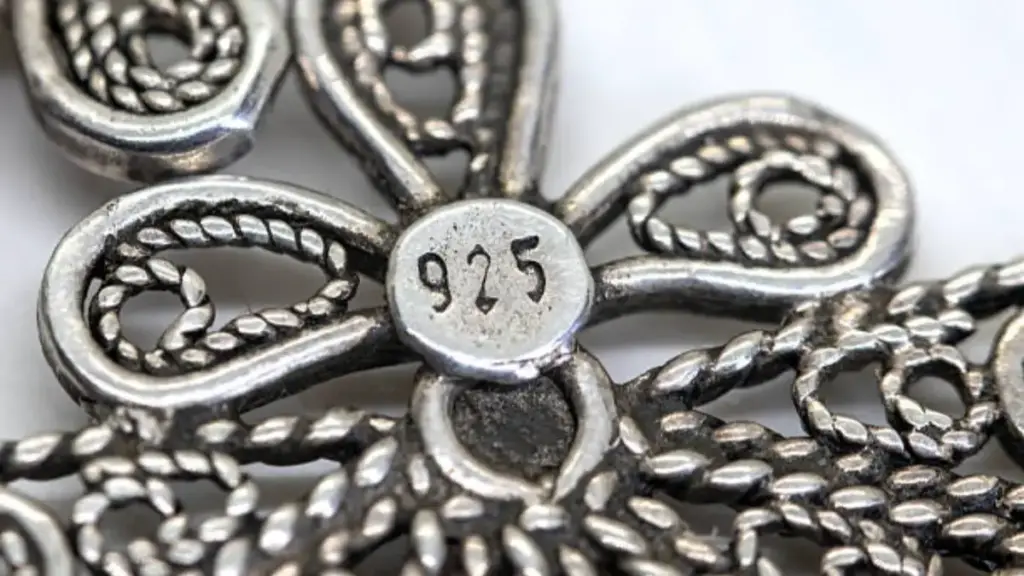
A small hallmark can reveal far more than a jewelry piece’s appearance. Understanding what the 925 mark represents helps buyers verify silver content, compare product quality, and avoid misleading material claims.
The Meaning Behind the 925 Hallmark
The number 925 is a hallmark that indicates a piece of jewelry contains 92.5% pure silver and 7.5% alloy metals, usually copper. This composition is known as argento sterling, the most common silver standard used in jewelry.
Different Forms of 925 Silver Markings
925 silver can appear in several common marking styles used across different markets and manufacturers. All of them indicate the same sterling silver content.
- 925: Standard sterling silver mark
- .925: Decimal format of sterling silver
- S925: Common in Asian and export jewelry
- STERLING: Full word mark
- STG: Abbreviation of sterling silver
These variations only reflect stamping preferences and do not change silver purity.
How Jewelry Hallmarking Works
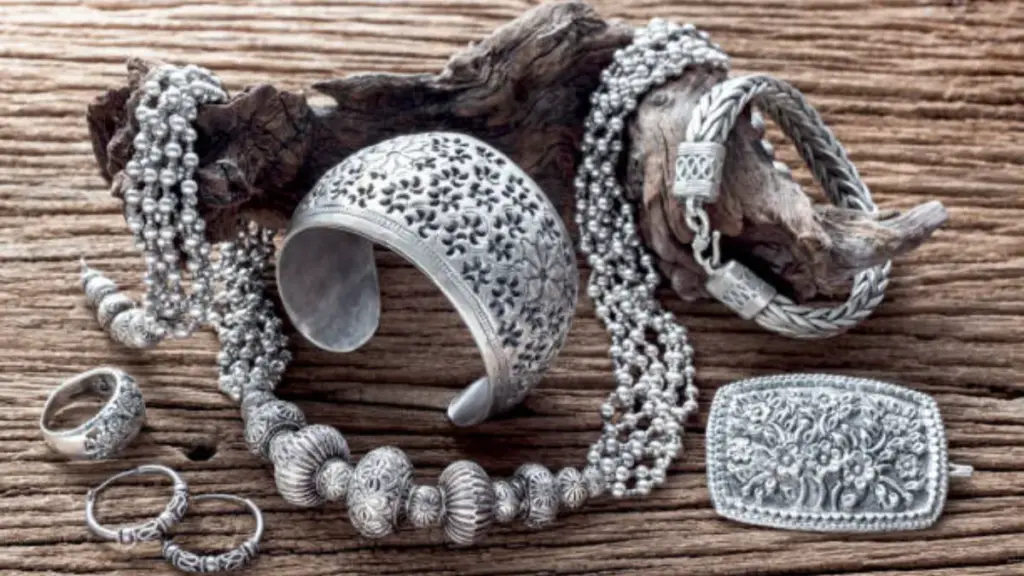
Jewelry hallmarking is a simple identification system used to show metal purity and basic production information. It helps explain where the 925 mark fits within broader jewelry labeling practices.
Fineness Marks
Fineness marks show the precious metal content in a simple numerical format. They use parts per thousand to express purity in a clear and consistent way across different metals.
Per esempio, 925 means 92.5% pure silver, with the remaining 7.5% usually made of copper or other metals to improve strength.
This system is widely used for other precious metals as well, such as gold and platinum, making it easier to compare purity levels.
Maker’s Marks
Maker’s marks identify the brand, manufacturer, or workshop that produced the jewelry.
These marks are usually small letters, initials, or symbols placed in hidden areas of the piece.
Their main purpose is simple:
To show who made the jewelry and support basic product traceability.
Assay Marks
Assay marks are applied by official testing bodies in some markets.
They confirm that the metal content matches the declared purity mark, such as 925 for sterling silver.
This provides an additional level of verification beyond the manufacturer’s claim, especially for regulated markets.
Build Your Jewelry Brand, Risk-Free.
Why Sterling Silver Uses 92.5% Pure Silver
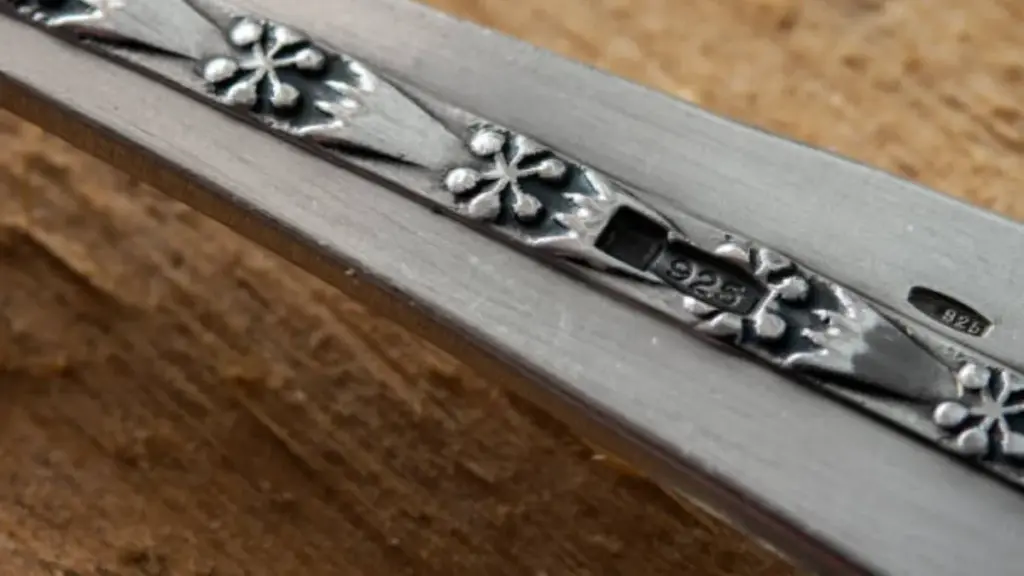
You might wonder why jewelry manufacturers use 92.5% silver instead of pure silver. The answer comes down to three key advantages.
Balancing Purity and Durability
Pure silver contains a higher silver content, but it is too soft for most jewelry applications. IL 92.5% ratio preserves the beauty and value of silver while providing the strength needed for everyday wear. This balance is one of the main reasons sterling silver became the preferred choice for jewelry.
Improving Strength for Everyday Wear
The remaining 7.5% of sterling silver is usually copper or other alloy metals. These additions improve hardness and wear resistance, helping jewelry resist bending, scratching, and deformation over time. As a result, sterling silver performs much better in rings, braccialetti, catene, and other frequently worn pieces.
Supporting Complex Jewelry Designs
Compared with pure silver, 925 sterling silver is easier to shape, polish, and set with gemstones. Its improved stability allows manufacturers to create intricate patterns, delicate details, and secure settings without compromising durability. This makes sterling silver suitable for a wide range of modern jewelry styles.
925 Sterling Silver vs. Pure Silver: Key Differences
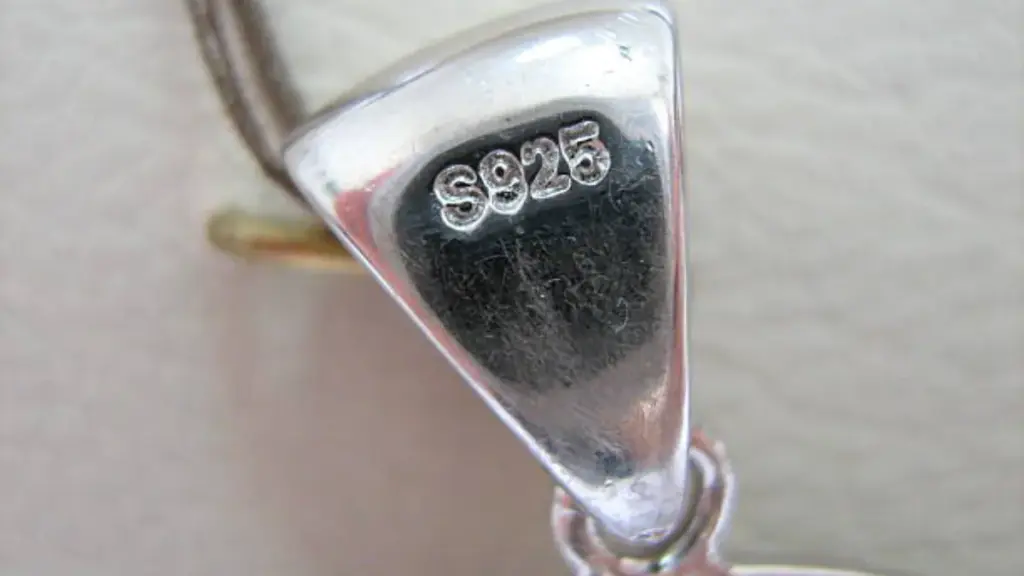
925 argento sterling and 999 fine silver share a similar appearance, but they are designed for different uses and performance requirements.
Differences in Composition and Physical Properties
At first glance, both materials show a bright white metallic shine after polishing. However, their physical performance differs significantly in daily use.
| Property | 925 Argento sterling | 999 Fine Silver |
|---|---|---|
| Silver Content | 92.5% | 99.9% |
| Durability | Higher | Lower |
| Scratch Resistance | Better | Lower |
| Flexibility | Moderate | Higher |
| Best Use | Everyday Jewelry | High-Purity / Decorative Items |
While pure silver contains more silver, sterling silver offers better overall performance for jewelry that is worn regularly.
Common Fake 925 Hallmarks and Silver Scams
Fake 925 marks and misleading silver claims are widespread in today’s jewelry market, making it difficult for buyers to distinguish genuine sterling silver from plated or low-quality imitation products.
Fake 925 Stamps on Base-Metal Jewelry
One of the most common scams is stamping “925” on jewelry made from brass, zinc alloy, stainless steel, or other base metals. The stamp may look authentic, but the actual material contains little or no silver.
This type of counterfeit relies entirely on visual deception. For this reason, buyers should always combine hallmark checks with material verification and supplier transparency.
Misleading Terms Used in the Jewelry Market
Some products avoid direct false stamping but instead use vague marketing terms that create the impression of silver content.
- Silver Tone: Refers only to color, not material
- Silver Finish: Surface coating without silver content guarantee
- Silver Plated: Thin layer of silver over base metal
- Tibetan Silver: Usually an alloy without real silver content
- Alpaca Silver: Nickel-based alloy, not actual silver
These terms describe appearance rather than composition, which often leads to confusion among buyers who expect real sterling silver.
How to Identify Real 925 Argento sterling
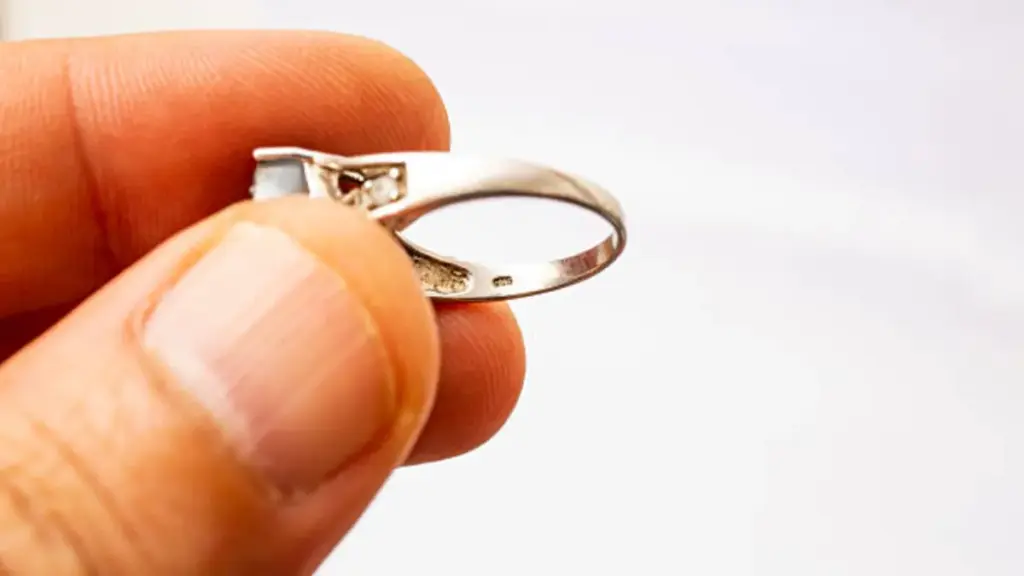
Many silver pieces are stamped 925 but not all are genuine, so buyers need reliable ways to verify authenticity before purchasing or sourcing sterling silver jewelry in the market.
Check the Hallmark and Physical Characteristics
IL hallmark is usually the first indicator of real 925 silver. Common markings include 925, S925, .925, STERLING, and STG, all representing the same silver purity level.
Besides markings, physical properties also help. Sterling silver has higher density, so it feels heavier than base metals. Good-quality pieces also show smooth polishing, clean edges, and consistent craftsmanship.
Where to Look for the 925 Stamp
IL 925 stamp is usually placed in hidden or small areas depending on the jewelry design:
- Anelli: Inside the band, usually near the center or side wall
- Collane: On the clasp or small metal tag near the closure
- Bracciali: Inside the clasp or end links
- Orecchini: On the post, back, or connecting metal part
- Ciondoli: On the bail or hidden back surface
In some small or delicate designs, the stamp may be very faint, requiring magnification to see clearly.
Tests for Silver Authenticity
Several simple methods can help confirm whether silver is genuine.
At-home tests:
- Magnet Test: Silver is non-magnetic; attraction suggests base metals
- Cloth Test: Real silver may leave black marks due to oxidation
- Ice Test: Silver has high thermal conductivity, causing ice to melt faster
These tests are helpful but should be used together for better accuracy.
Professional tests:
- XRF Analysis: Uses X-ray technology to identify metal composition without damage
- Acid Test: Applies acid to observe chemical reaction on the surface
- Laboratory Assay: Provides the most accurate purity measurement for silver content
Professional testing is recommended for bulk sourcing, resale, or high-value jewelry verification.
Frequently Asked Questions
Is 925 silver real or fake?
925 silver is real sterling silver, a precious metal alloy. However, because the “925” stamp can be counterfeited, its presence alone isn’t absolute proof. The authenticity of an item depends on whether its metal composition truly meets the 92.5% silver standard.
Does 925 sterling silver tarnish?
SÌ, 925 sterling silver does tarnish. IL 7.5% of alloy metals, usually copper, reacts with sulfur and moisture in the air, causing the surface to darken. This is a normal characteristic of genuine sterling silver and the tarnish can be removed with cleaning.
Are sterling silver and 925 silver the same thing?
SÌ, sterling silver and 925 silver are the same. Both terms describe a silver alloy that is 92.5% pure silver. The number “925” is the numerical fineness mark used to certify that the metal meets the sterling silver standard.
Why is my gold-colored jewelry stamped with 925?
A “925” stamp on gold-colored jewelry means the piece has a core of sterling silver (92.5% silver) that is coated with a layer of gold. This type of jewelry is commonly known as gold vermeil or gold-plated silver. The stamp refers to the silver base metal, not the gold content.
Final Thoughts
IL 925 hallmark is more than a simple stamp. It represents a globally recognized standard that combines silver purity, durability, and lasting value. Understanding what 925 means on jewelry helps buyers identify genuine 925 argento sterling, compare products more confidently, and make better purchasing decisions.
For jewelry brands, wholesalers, and retailers, consistent silver quality is just as important as design. At XH Jewelry, we manufacture 925 gioielli in argento sterling with strict material control, reliable production processes, and accurate hallmarking standards. If you are looking for a trusted partner for custom jewelry or OEM/ODM projects, our team is ready to help bring your ideas to market.