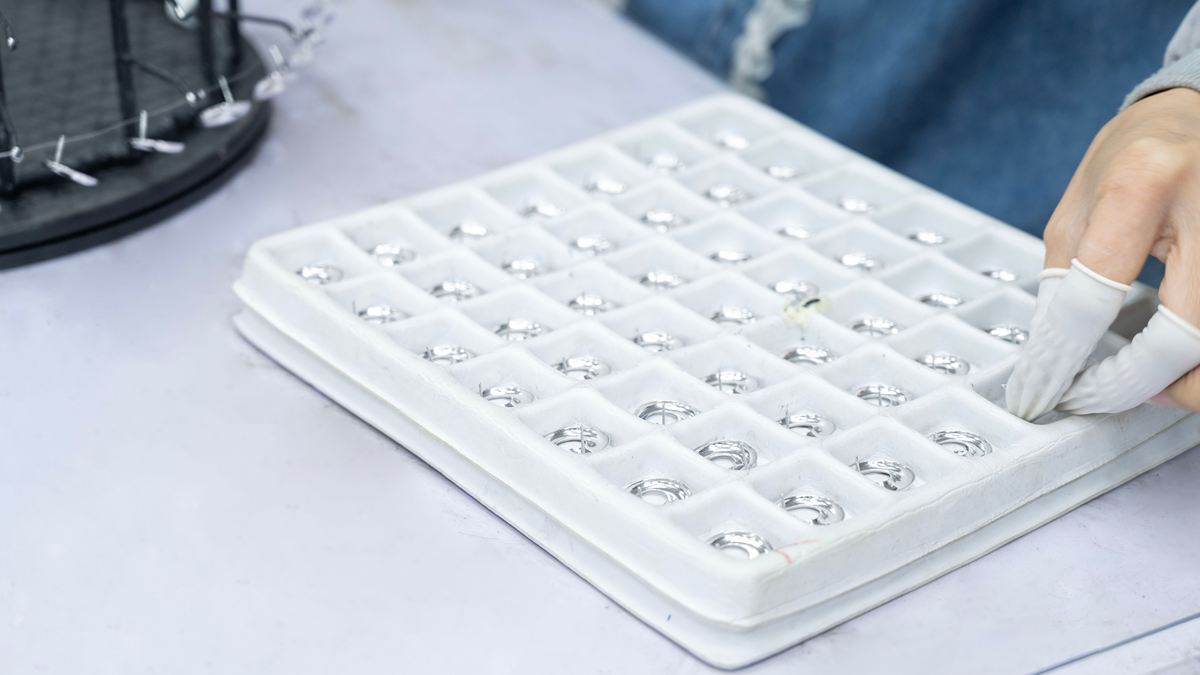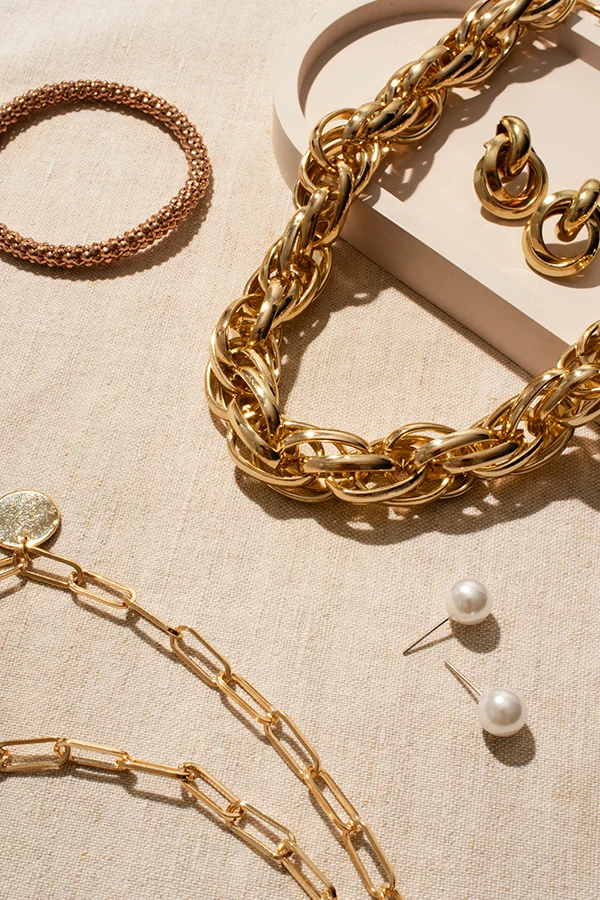
925 sterling silver vs stainless steel jewelry is a common decision point for jewelry buyers, brands, and wholesalers because both materials look similar but perform very differently in real production and retail use. The choice often affects pricing, durability expectations, and how customers perceive your products.
Understanding the real differences between these two materials helps you avoid costly sourcing mistakes and choose the right option for your target market. This guide breaks down their performance, cost structure, and best-use scenarios so you can make clearer decisions for your jewelry business.
Understanding 925 Sterling Silver and Stainless Steel Jewelry
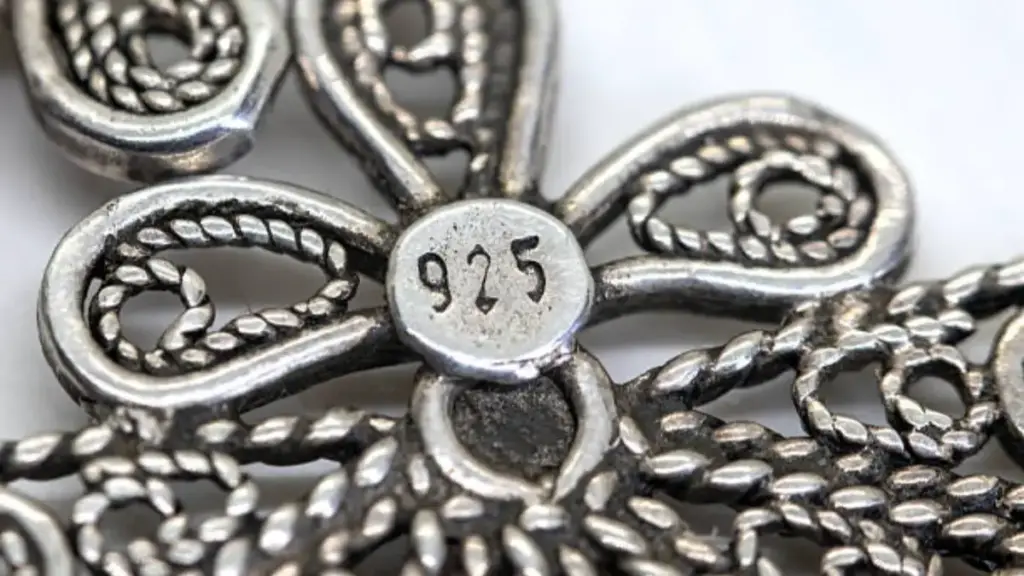
Material choice affects not only how jewelry looks but also its value, durability, and target market. Before comparing these two materials, it is important to understand their basic characteristics and common applications.
What Is 925 スターリングシルバー?
925 sterling silver is an alloy made from 92.5% pure silver and 7.5% other metals, usually copper. Pure silver is too soft for most jewelry, so manufacturers add alloy metals to improve strength while maintaining silver’s appearance and value.
Sterling silver remains a popular choice for fine jewelry because it offers:
- Precious Metal Value: Contains genuine silver and carries recognized market value.
- Elegant Appearance: Features a bright white finish often associated with premium jewelry.
- Design Flexibility: Supports engraving, casting, and custom jewelry production.
- Gemstone Compatibility: Works well with various stone settings and decorative elements.
As a result, sterling silver is widely used in personalized jewelry, gift collections, and premium product lines.
What Is Stainless Steel Jewelry?
Stainless steel jewelry is made primarily from iron and chromium. The chromium creates a protective layer that helps prevent rust, corrosion, and discoloration.
Among different grades, 316L stainless steel is the most common in jewelry manufacturing because of its durability and corrosion resistance.
Key advantages include:
- High Durability: Resists scratches and everyday wear.
- Low Maintenance: Requires little cleaning or polishing.
- Cost Efficiency: Supports affordable production and retail pricing.
- Corrosion Resistance: Performs well in daily-use environments.
These qualities make stainless steel popular for fashion jewelry, men’s accessories, and everyday-wear collections.
Where Are These Materials Commonly Used?
Although both materials are widely used in jewelry manufacturing, they typically serve different market segments. Sterling silver is more common in premium and customized jewelry, while stainless steel is often chosen for fashion-focused and cost-sensitive collections.
925 Silver vs Stainless Steel: Key Differences
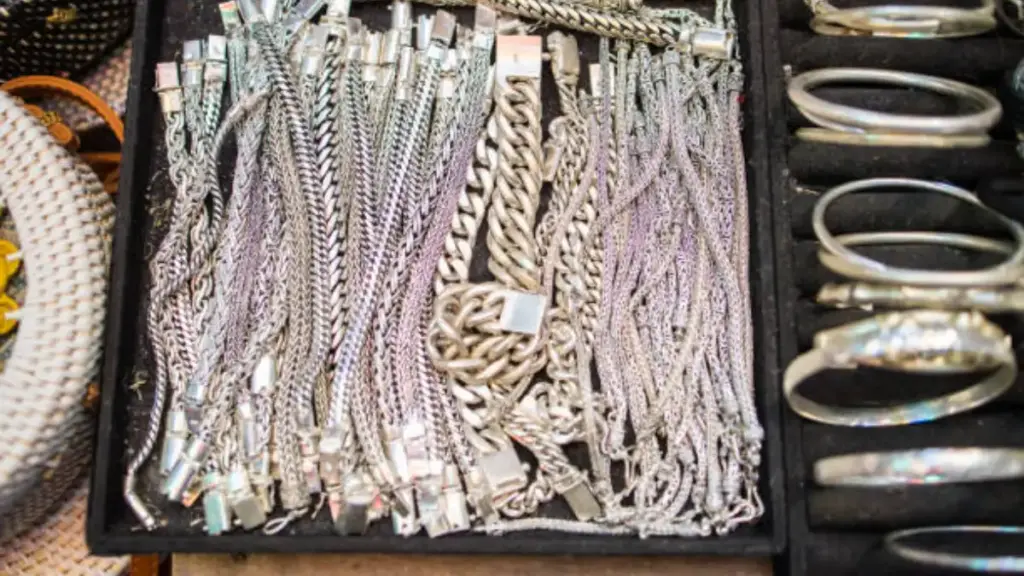
Material differences directly influence jewelry quality perception, pricing strategy, and production planning. A unified comparison helps buyers evaluate both materials more efficiently.
Which Looks Better: Sterling Silver or Stainless Steel?
What Jewelry Material Performs Better in Daily Wear?
Which Jewelry Material Fits Different Business Models Best?
You may be interested in: シルバージュエリー事業: A Complete Beginner’s Guide
Sterling silver is stronger in premium branding, カスタマイズ, and gift positioning. Stainless steel performs better in durability, cost efficiency, and mass production scalability.
Advantages and Disadvantages of Stainless Steel Jewelry
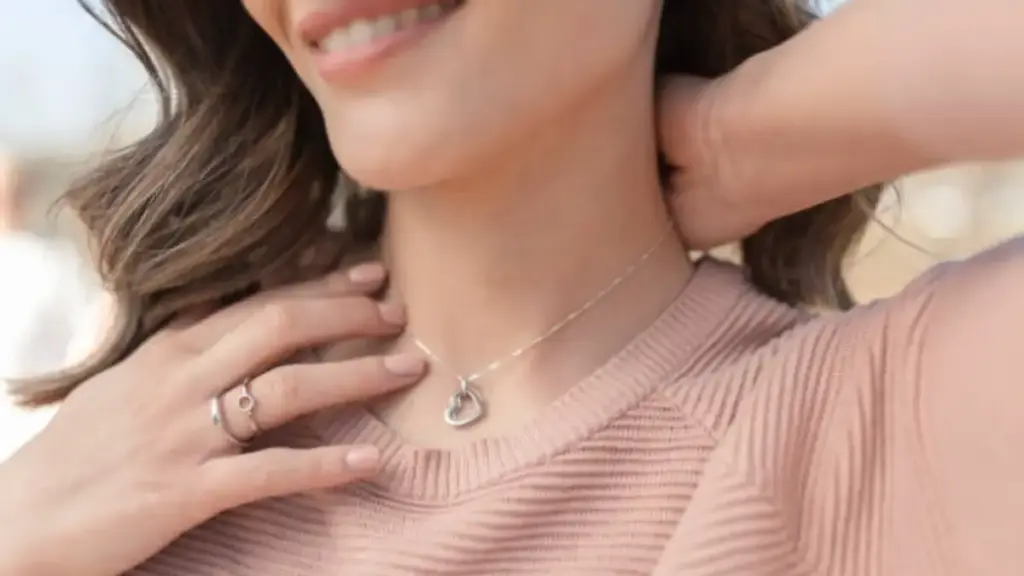
Stainless steel jewelry is widely used in fashion and OEM production because it offers strong durability, stable quality, and low manufacturing cost, making it suitable for large-scale and everyday jewelry markets.
Why Many Buyers Choose Stainless Steel
In real-world jewelry applications, stainless steel is widely preferred because it offers a strong balance across the following aspects:
- Durability: Resists scratches, bending, and surface damage during daily wear, making it suitable for frequently used jewelry such as rings, chains, and bracelets.
- Cost Efficiency: Supports stable mass production and helps brands maintain consistent pricing without relying on fluctuating precious metal markets.
- Low Maintenance: Does not easily tarnish, allowing customers to wear it daily without frequent polishing or special care routines.
- Design Compatibility: Works well with modern, minimalist, and fashion-driven jewelry styles used in mass-market collections.
- Environmental Stability: Performs reliably in humid environments and outdoor conditions, making it suitable for lifestyle jewelry.
These advantages make stainless steel a practical choice for brands focused on scalable production and affordable fashion jewelry collections.
The Main Limitations of Stainless Steel Jewelry
Although stainless steel performs well in durability and cost control, it also has limitations that affect its use in premium and customized jewelry segments.
These limitations can be clearly understood as follows:
- No Precious Metal Value: Lacks intrinsic material value, which reduces luxury perception in gift or high-end jewelry markets.
- Repair Complexity: Requires specialized tools and techniques for fixing or modifying damaged pieces, increasing after-sales difficulty.
- Resizing Difficulty: Hard material structure makes ring resizing and adjustment less practical compared to softer metals.
- Design Constraints: Less suitable for highly detailed craftsmanship, especially fine engraving and complex handmade structures.
- Gemstone Limitations: Offers fewer flexible options for intricate gemstone settings compared with sterling silver.
Because of these factors, stainless steel is more suitable for functional and fashion-oriented jewelry rather than premium fine jewelry collections.
When Stainless Steel Is the Better Choice
Stainless steel performs best in practical, cost-sensitive, and high-volume jewelry applications where durability matters more than precious metal value.
When Is 925 Sterling Silver the Better Choice?
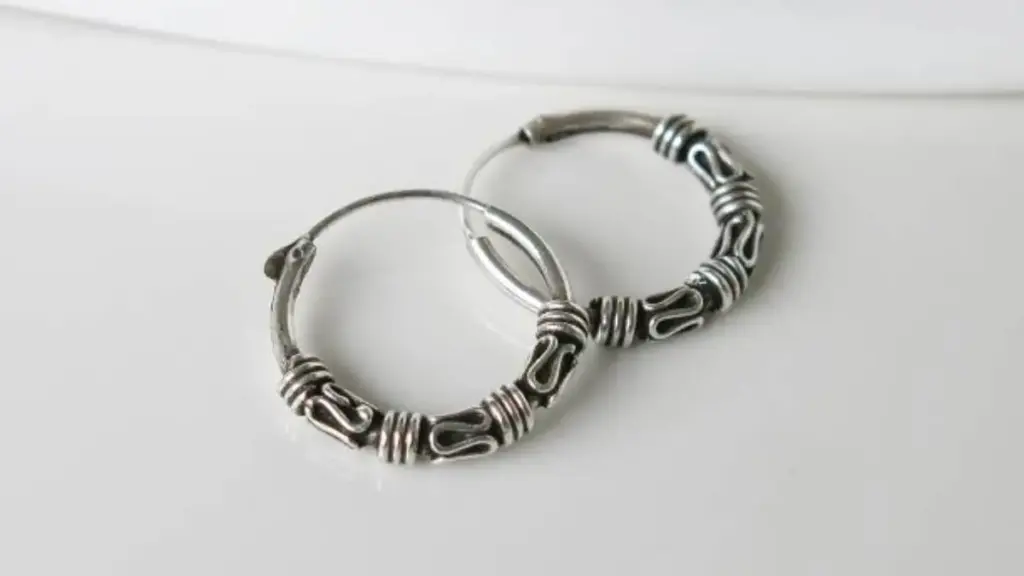
Sterling silver performs best in premium jewelry segments where brand positioning, perceived value, and design flexibility matter more than cost or mass durability, making it ideal for fine jewelry and long-term brand development.
Fine Jewelry and Premium Collections
Key advantages in this segment include:
- Luxury perception: Strong association with fine jewelry and craftsmanship
- Gift suitability: Preferred for meaningful and formal occasions
- Perceived value: Supports higher pricing and stronger margins
- Brand positioning: Helps brands move beyond price competition
These factors make sterling silver a reliable material for premium collections targeting value-conscious but quality-focused customers.
Custom and Gemstone Jewelry
Sterling silver is widely used in customized and gemstone jewelry because of its strong processing flexibility.
Its softer structure compared with stainless steel allows easier casting, 彫刻, and stone setting. This improves both design freedom and production efficiency for complex jewelry pieces.
This makes sterling silver a strong choice for brands focused on personalization, craftsmanship, and differentiated design.
Building Long-Term Brand Value
Sterling silver supports business growth in several ways:
- Stronger trust perception: Reinforces product authenticity
- Higher repeat purchase potential: Builds customer loyalty
- Premium positioning: Supports long-term brand upgrade strategy
- Market differentiation: Easier to stand out from low-cost competitors
Sterling silver also allows smoother introduction of new designs and custom collections within a premium system. This helps brands build a consistent and recognizable jewelry line over time.
As a result, sterling silver is often chosen not only for individual products but also for long-term brand positioning and portfolio development.
Which Material Is Best for Different Jewelry Businesses?
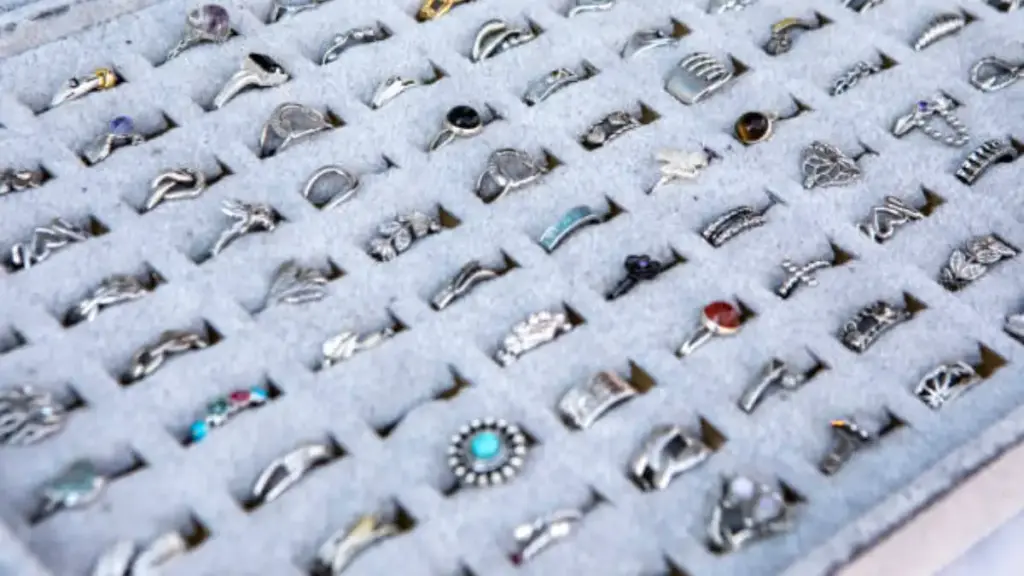
Sterling silver and stainless steel serve different business models in jewelry manufacturing, influencing pricing strategy, target customers, and overall brand positioning across B2B markets.
You may want to learn more about トップ 10 カスタム 925 世界中のシルバージュエリーメーカー
Jewelry Business Material Selection Guide: Sterling Silver vs Stainless Steel
Jewelry Business Positioning and Material Choice
Product Strategy: Material Selection by Jewelry Category
Business Goals: What Each Material Helps You Achieve
Why Many Successful Brands Use Both Materials
Jewelry brands serve customers with different budgets and expectations, so relying on a single material often limits pricing flexibility and product growth.
A dual-material strategy works because each material solves a different business need.
This approach works for three practical reasons:
- Pricing needs: Sterling silver supports higher price positioning, while stainless steel keeps entry-level prices competitive
- Product cycles: Stainless steel fits fast-changing trends, while sterling silver works better for long-term designs
- Cost structure: Stainless steel reduces production pressure, while sterling silver supports higher margins
In practice, brands separate their catalog into premium sterling silver lines and high-volume stainless steel collections to balance profitability and scale.
Frequently Asked Questions
Which Lasts Longer, Silver or Stainless Steel?
Stainless steel generally lasts longer in terms of physical durability because it is harder and more resistant to scratches, bending, and daily wear. Sterling silver, however, can also last for decades when properly maintained, since it can be polished and restored over time.
Does 925 Silver Tarnish?
Yes, 925 sterling silver can tarnish when exposed to sulfur compounds in the air. This creates a dark surface layer, but it does not damage the metal itself. Regular cleaning and proper storage can help reduce tarnishing and keep its appearance stable.
Can You Wear Stainless Steel Jewelry Every Day?
Yes. Stainless steel is suitable for everyday wear due to its strong resistance to corrosion, moisture, and scratches. It performs well in daily environments and is especially practical for active lifestyles.
Which Material Is Better for Sensitive Skin?
Both materials can be suitable for sensitive skin if they meet high manufacturing standards. Sterling silver is generally well tolerated due to its silver content, while high-quality 316L stainless steel is also widely used for its skin-friendly properties. For sensitive users, material quality matters more than material type.
Is 316L Stainless Steel Better Than 925 銀?
Neither material is universally better. 316L stainless steel performs better in durability, corrosion resistance, and maintenance. 925 sterling silver performs better in perceived value, customization flexibility, and premium positioning. The right choice depends on the product purpose and target market.
最終的な考え
Choosing between 925 sterling silver vs stainless steel jewelry depends on your target market, product positioning, and overall brand strategy, as each material serves different business needs in terms of value perception, durability, and cost structure.
For brands looking to develop premium collections or customized designs, sterling silver offers stronger brand value and craftsmanship appeal, while stainless steel is better suited for fashion-driven and high-volume production models. If you are planning new jewelry collections or OEM development, you can explore professional manufacturing solutions at カスタム 925 スターリングシルバーメーカー | XH&銀 to support your 925 sterling silver product lines.