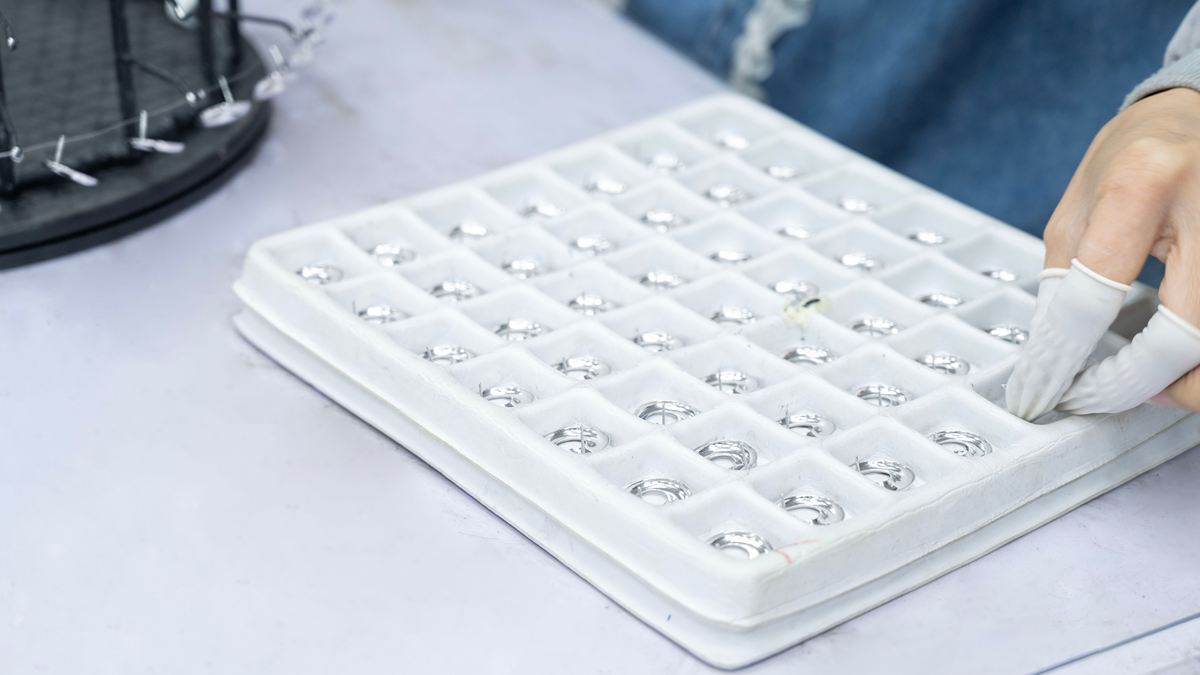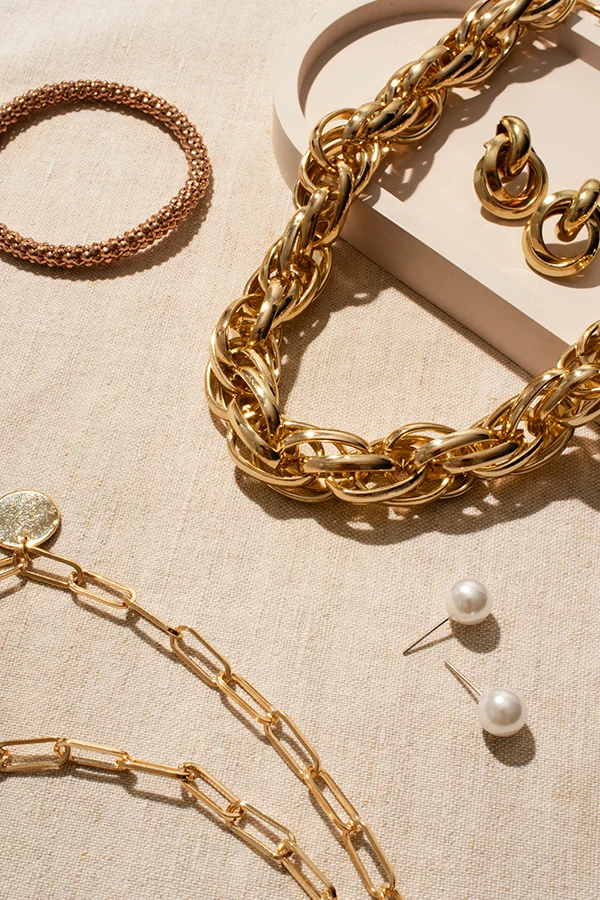
Jewelry brands usually work with manufacturers through two common production models: OEM jewelry manufacturing and ODM jewelry manufacturing. OEM provides greater control over design, 맞춤화, and product exclusivity, while ODM allows brands to launch collections faster with lower development costs. However, the right choice depends on factors such as brand stage, budget, product strategy, and long-term growth goals.
This guide breaks down the key differences between OEM and ODM jewelry manufacturing, helping brands evaluate each model and choose the right manufacturing approach for their business.
What Is OEM Manufacturing in Jewelry?
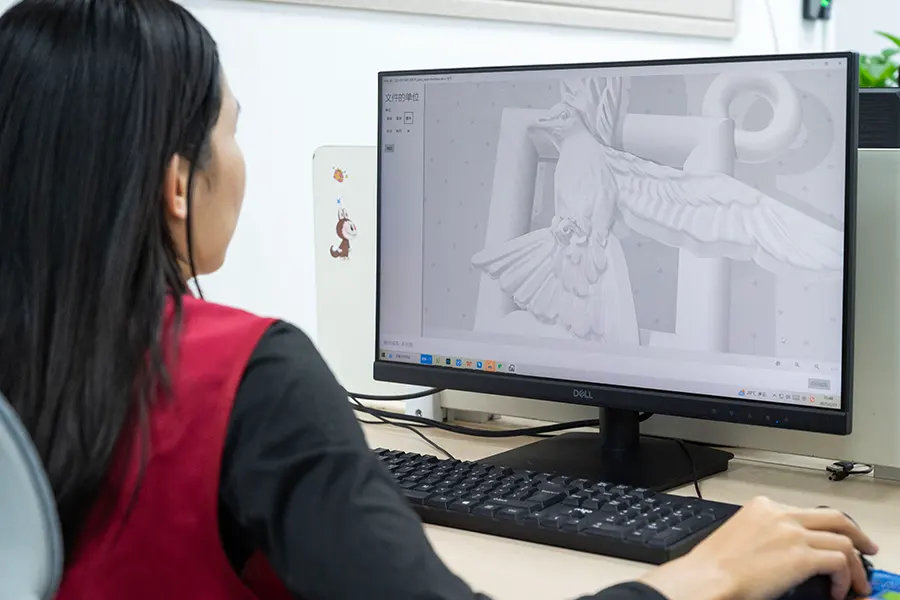
How OEM Jewelry Manufacturing Works
OEM jewelry manufacturing allows brands to develop their own jewelry designs and have them produced by a professional manufacturer. In this model, the brand controls the creative direction, while the manufacturer is responsible for transforming the concept into finished jewelry products according to the provided specifications.
For an OEM jewelry project, brands usually provide detailed requirements, including:
- Product designs, sketches, or CAD files
- Metal materials and purity requirements
- Gemstone specifications
- Plating colors and surface finishes
- Product dimensions and weight
- Packaging requirements
- Quality standards
Based on these specifications, the manufacturer manages the production process, including mold making, casting, polishing, stone setting, 도금, quality inspection, and final packaging.
Example of OEM Jewelry Manufacturing
예를 들어, a jewelry brand developing a new 925 sterling silver ring collection may provide original designs and technical requirements to a manufacturer. The factory creates samples, adjusts production details, and produces the final jewelry pieces according to the brand’s specifications.
This process allows brands to maintain control over product appearance, materials, and craftsmanship while relying on the manufacturer’s production capabilities.
Advantages of OEM Jewelry Manufacturing
OEM is mainly chosen by brands that want stronger product control and long-term differentiation.
1. Create Unique Brand Identity
OEM allows brands to develop exclusive jewelry designs that are different from competitors. This is especially valuable for businesses building signature collections or private label jewelry lines.
2. Greater Customization Control
With OEM production, brands can customize different aspects of their jewelry products, including:
- Silver purity
- Product dimensions
- Surface finishing
- Stone selection
- Logo engraving
- Custom packaging
This flexibility helps brands create products that match their positioning and customer expectations.
3. Support Long-Term Brand Growth
OEM is suitable for brands that want to build recognizable product lines. Once a successful design is developed, the brand can continue producing the collection with consistent quality and specifications.
However, OEM requires more preparation compared with ODM. New designs usually involve additional time for product development, sampling, mold creation, and production confirmation.
What Is ODM Manufacturing in Jewelry?
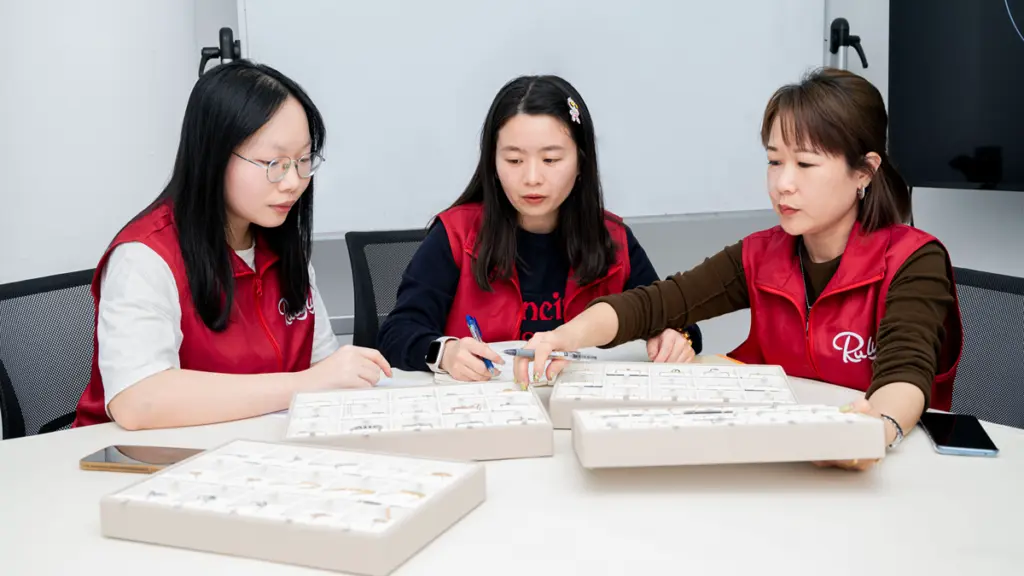
How ODM Jewelry Manufacturing Works
ODM jewelry manufacturing allows brands to use existing jewelry designs developed by manufacturers and sell them under their own brand name. Instead of creating products from the beginning, brands select suitable designs from the manufacturer’s collection and customize specific details before production.
Common ODM customization options include:
- Adding brand logos
- Changing plating colors
- Adjusting product sizes
- Selecting different gemstones
- Modifying packaging
- Making small design adjustments
Example of ODM Jewelry Manufacturing
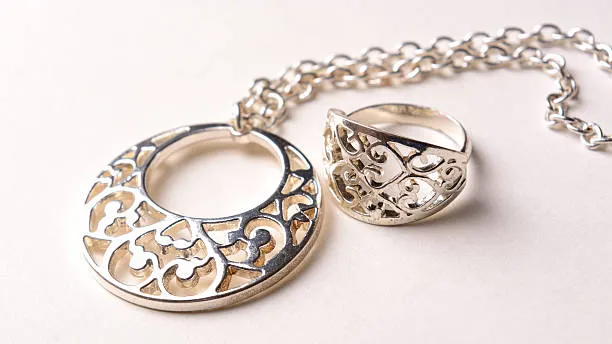
예를 들어, a new jewelry brand may want to launch a 925 sterling silver necklace collection but does not have an internal design team. By working with an ODM jewelry manufacturer, the brand can select existing necklace styles, customize key details, and launch products faster.
This approach allows businesses to test new collections without investing heavily in original product development.
Advantages and Limitations of ODM Jewelry Manufacturing
ODM focuses on speed, flexibility, and lower development investment.
1. Faster Product Launch
Since the core designs already exist, ODM reduces the time needed for product development. Brands can quickly introduce new collections and respond to changing market trends.
ODM is especially suitable for:
- New jewelry startups
- Online jewelry retailers
- Fashion brands entering the jewelry market
- Businesses testing new product categories
2. Lower Development Costs
Developing a completely new jewelry design requires investment in design, prototyping, and mold development. ODM reduces these upfront costs because the manufacturer has already completed the initial product development process.
3. Benefit from Manufacturer Experience
Experienced jewelry manufacturers understand production techniques, market trends, and popular product styles. ODM allows brands to use existing manufacturing knowledge while focusing more resources on marketing, sales, and brand building.
The main limitation of ODM is lower product exclusivity. Since the base designs may also be available to other buyers, brands need to strengthen differentiation through branding, 맞춤화, and marketing strategy.
Find your favorite high-quality 925 스털링 실버 주얼리 from all of our options.
XH&SILVER provides 100% in-house manufactured high-quality silver jewelry, supporting ODM/OEM customization services.
Build Your Custom Jewelry Collection

Key Differences Between OEM and ODM Jewelry Manufacturing
Although both OEM and ODM jewelry manufacturing allow brands to work with professional manufacturers, they differ in design ownership, 맞춤화, development process, investment, timeline, and product exclusivity. The comparison below highlights the key differences between these two manufacturing models.
OEM vs ODM Jewelry Manufacturing Comparison
| Aspect | OEM Jewelry Manufacturing | ODM Jewelry Manufacturing |
|---|---|---|
|
Design Source |
The brand provides original designs, sketches, or CAD files for production. |
The manufacturer provides existing jewelry designs from its product collection. |
|
Design Ownership and Intellectual Property |
The brand owns the custom designs and related intellectual property rights. |
The manufacturer usually owns the original design concept, while brands customize and sell the products. |
|
Customization Level |
Provides full customization of materials, dimensions, product structure, finishes, and other details. |
Allows limited modifications based on existing designs, such as logos, 도금, stones, or packaging. |
|
Development Process |
Requires design development, sampling, mold creation, and production approval before mass manufacturing. |
Uses existing designs, reducing development steps and allowing faster product preparation. |
|
Time to Market |
Usually requires a longer development timeline due to customization and product creation. |
Enables faster launches by using pre-developed jewelry designs. |
|
Initial Investment |
Requires higher investment for design, sampling, molds, and product development. |
Requires lower upfront investment because the core designs are already available. |
|
Product Exclusivity |
Creates exclusive jewelry collections based on the brand’s original designs. |
Similar or modified designs may also be available to other buyers. |
After comparing OEM and ODM, the key difference is the balance between product control and market flexibility. OEM provides greater ownership over product development, while ODM helps brands enter the market with fewer development barriers. The right choice depends on a brand’s current stage, resources, and long-term product strategy.
Which Manufacturing Model Is Right for Your Jewelry Brand?
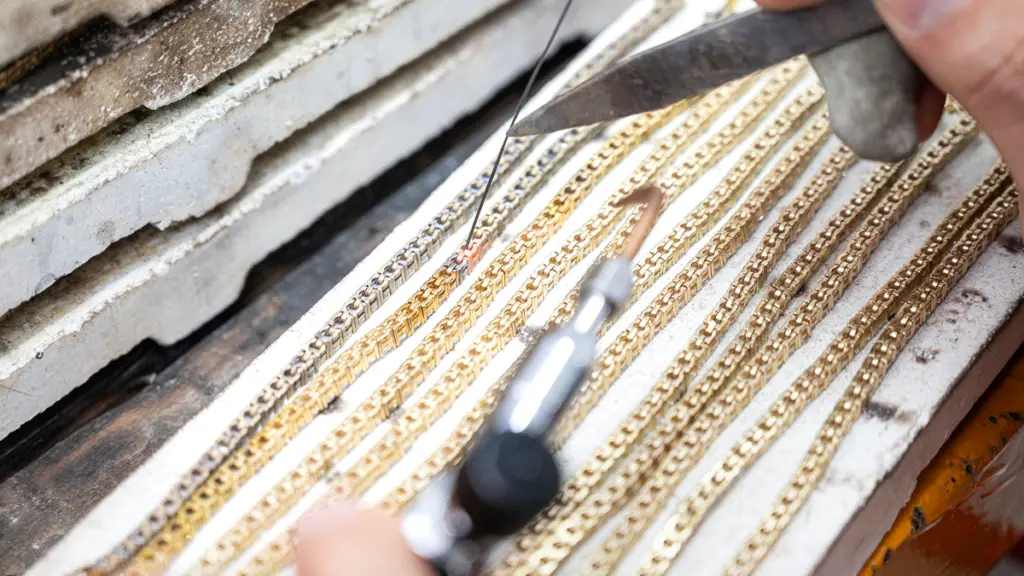
OEM and ODM jewelry manufacturing serve different business needs. Brands need to evaluate factors such as development stage, product goals, budget, design requirements, and long-term growth plans before deciding which model fits their business. OEM provides greater control over product creation and exclusivity, while ODM offers faster development and lower initial investment.
When OEM Jewelry Manufacturing Is the Better Choice
OEM is often the better option for brands that want to build unique product lines and maintain stronger control over final jewelry designs.
OEM may be the right choice if your brand:
- Has original jewelry concepts or specific design requirements
- Wants to develop exclusive 925 sterling silver collections
- Needs greater control over materials, details, and finishing
- Plans to create signature products with long-term brand value
Although OEM requires more time for design development, sampling, and production preparation, it allows brands to create products that are more difficult for competitors to replicate.
For brands focused on building a distinctive identity, OEM can become a long-term investment in product differentiation.
When ODM Jewelry Manufacturing Is the Better Choice
ODM is often more suitable for brands that value speed, flexibility, and lower development complexity.
ODM may be the right choice if your brand:
- Needs to launch products quickly
- Wants to test new jewelry categories or market demand
- Has limited product development resources
- Prefers adapting existing designs instead of creating products from scratch
Because ODM uses existing manufacturer-developed designs, brands can reduce development time and initial investment. This makes ODM a practical option for businesses entering new markets, expanding product ranges, or testing customer preferences with lower risk.
The trade-off is that product exclusivity may be more limited compared with OEM, as similar designs may also be available to other buyers.
How Brand Stage Affects the Decision
Brand stage is another important factor that affects the manufacturing approach. Different stages of growth require different levels of investment, flexibility, and product control.
New Jewelry Brands
New brands often benefit from ODM because it allows them to validate market demand before investing heavily in custom product development.
At this stage, brands can:
- Test different jewelry styles
- Understand customer preferences
- Build initial collections with lower risk
- Focus resources on branding and marketing
After identifying successful products, brands can gradually move toward OEM development to create more exclusive collections.
Want to Start a Silver Jewelry Business? Here is A Complete Beginner’s Guide
Growing Jewelry Brands
Growing brands often need a balance between speed and differentiation. At this stage, combining OEM and ODM can provide more flexibility.
예를 들어:
- Use ODM for seasonal or experimental collections
- Develop OEM products for core collections and signature designs
- Customize existing designs to better match brand identity
This approach allows brands to expand product ranges while gradually building unique product assets.
Established Jewelry Brands
Established brands with clear positioning often place more value on exclusivity and product ownership. OEM is usually a stronger fit because it provides greater control over original designs and product development.
OEM helps established brands:
- Develop proprietary collections
- Protect unique design concepts
- Maintain consistent product standards
- Strengthen long-term brand value
A Hybrid OEM and ODM Strategy for Flexible Growth
Many jewelry brands use both OEM and ODM manufacturing models for different product lines and business goals.
A hybrid strategy allows brands to:
- Use ODM designs to test new styles and market demand
- Develop successful products into exclusive OEM collections
- Balance faster product launches with long-term differentiation
This approach is especially useful for growing brands that want to reduce early-stage risk while gradually building a stronger product portfolio.
Questions You Can Ask the Manufacturer
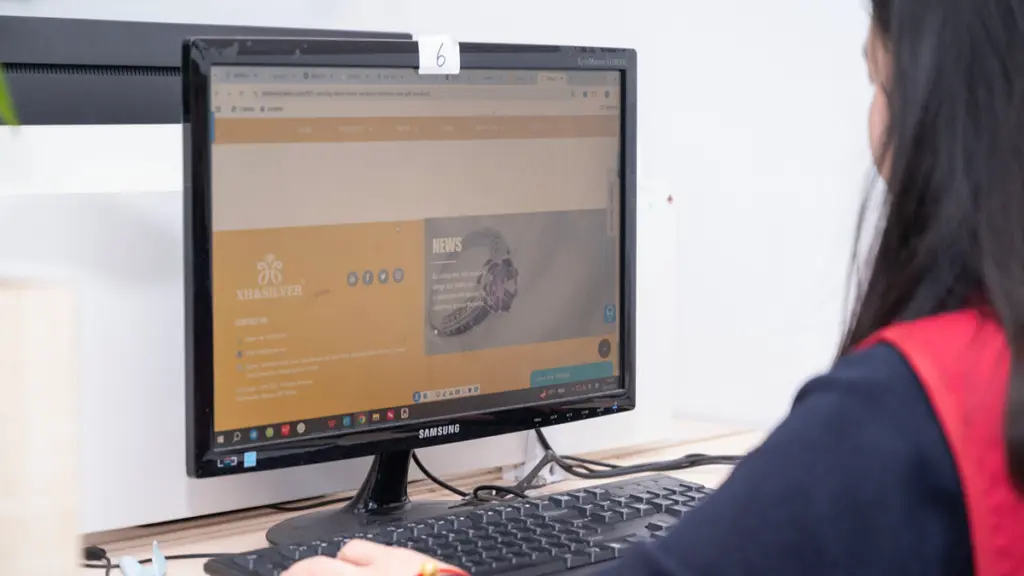
Before deciding between OEM and ODM jewelry manufacturing, brands should communicate with manufacturers to understand their capabilities, production process, and support level. Asking the right questions can help you choose a manufacturing model that matches your product goals.
1. Do You Support Both OEM and ODM Jewelry Manufacturing?
Different manufacturers have different strengths. Ask whether they can handle fully customized OEM projects, provide ODM designs, or support both models.
2. What Level of Customization Do You Provide?
The customization level directly affects your product uniqueness. Confirm whether the manufacturer supports custom designs, materials, finishes, logos, and other product adjustments.
3. How Do OEM and ODM Differ in Cost and Lead Time?
OEM and ODM usually involve different development processes. Understanding the differences in investment, sampling, MOQ, and production timeline helps brands make a more suitable decision.
4. Can You Support My Brand’s Growth Plan?
A reliable manufacturer should be able to support both current needs and future expansion. Ask whether they can help your brand move from market testing to exclusive product development as it grows.
See how we help global brands bring their custom jewelry vision to life.
Why Choose XH&Silver for OEM and ODM Jewelry Manufacturing?
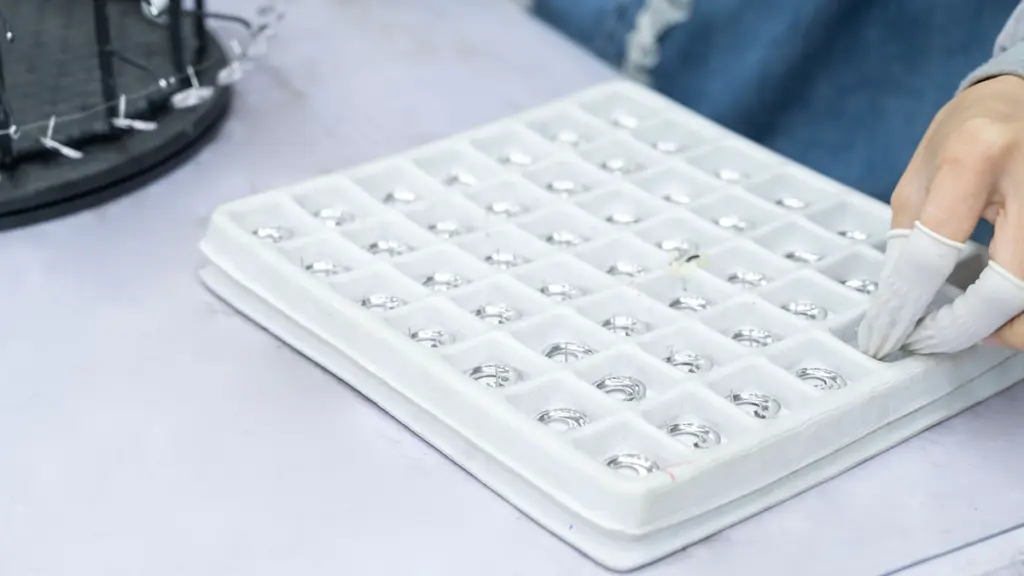
Finding a manufacturing partner that can support both product development and long-term supply needs is essential for jewelry brands. XH&은 specializes in custom 925 sterling silver jewelry manufacturing, providing flexible OEM and ODM solutions for brands, retailers, and jewelry businesses worldwide.
One-Stop OEM and ODM Jewelry Development
XH&Silver supports the complete jewelry development process, from initial ideas and design concepts to sampling, production, packaging, and delivery. For OEM projects, brands can provide their own designs, sketches, or requirements, and our team helps turn creative ideas into finished jewelry pieces with professional manufacturing support.
For ODM projects, brands can select from existing design resources and customize products according to their market positioning. This approach helps businesses develop new collections efficiently while maintaining flexibility in materials, finishes, branding, and packaging.
Experienced 925 Sterling Silver Jewelry Manufacturing
With years of experience in the silver jewelry industry, XH&Silver focuses on producing high-quality 925 스털링 실버 주얼리, including 반지, necklaces, 귀걸이, 팔찌, pendants, and customized collections. Our integrated manufacturing capabilities help ensure consistent quality, efficient production, and reliable supply for different types of jewelry businesses.
Flexible Solutions for Different Business Needs
Different brands require different production strategies. New jewelry businesses may need ODM solutions to test collections with lower development barriers, while established brands may prefer OEM manufacturing to create exclusive designs and strengthen product differentiation.
XH&Silver provides flexible OEM, ODM, and private label solutions to support brands at different stages, from developing the first collection to expanding long-term product lines.
A Reliable Partner for Long-Term Jewelry Growth
Beyond production, XH&Silver focuses on stable cooperation through responsive communication, quality management, and customized manufacturing support. With professional production processes, flexible customization options, and a commitment to consistent quality, we help jewelry brands build reliable supply chains and develop competitive 925 sterling silver collections.
Whether you need exclusive OEM jewelry designs or efficient ODM product solutions, XH&Silver is ready to support your brand with flexible manufacturing services and long-term partnership.
Frequently Asked Questions
What is the difference between OEM and ODM jewelry manufacturing?
The main difference is who owns the design. In an OEM (Original Equipment Manufacturer) model, you provide your own unique design, and the factory produces it exclusively for you. In an ODM (Original Design Manufacturer) model, you select from the factory’s pre-designed catalog, which you can then lightly customize and sell under your own brand.
Which is cheaper, OEM or ODM?
ODM is cheaper for initial projects and small orders. Since the designs and tooling already exist, there are minimal upfront development costs. OEM requires a significant investment in custom molds and design, but it can become cheaper per unit on very large production runs where those initial costs are spread out.
Can ODM jewelry be customized?
Yes, but customization is limited. With ODM, you can typically change materials (like metal type or gemstones), select different colors and finishes, and add your own branding and packaging. You cannot, however, alter the core structure or shape of the pre-existing design.
Is OEM or ODM better for a jewelry brand?
It depends on your brand’s goals. OEM is better for establishing a unique brand identity with proprietary designs and achieving long-term differentiation. ODM is better for brands that need to launch products quickly, test new market trends with less risk, or expand their assortment without heavy investment in design.
What is the better choice for a startup: OEM or ODM?
ODM is generally the better choice for jewelry startups. It offers lower financial risk, smaller minimum order quantities (MOQ), and a much faster path to market. This allows a new business to test product ideas and generate cash flow without the large upfront capital required for OEM development. Brands often transition to OEM for key products once they have established market demand.
How do jewelry manufacturing factories work?
Jewelry factories operate through a structured production process. It begins with a design, which is turned into a 3D CAD model and then a physical master pattern. A mold is created from this pattern for casting molten metal. The raw castings are then assembled, filed, and polished. Finally, stones are set, the piece undergoes final finishing and quality control, and it is packaged for the brand.