Types of silver used in jewelry directly affect product quality, durability, manufacturing cost, and customer satisfaction. This guide explores the most common silver materials and surface finishes, helping you understand their differences and choose the best type of silver for different jewelry applications.
Overview of Silver Types (Materials vs Finishes Explained)
Silver in jewelry directly influences product durability, appearance, 값, and long-term performance, and it is mainly defined by two different layers: the base material and the surface finish.
| Aspect | Silver Material | Surface Finish |
|---|---|---|
| Definition | The core metal alloy that forms the jewelry structure | The outer layer applied to change appearance or surface properties |
| Main Role | Controls strength, purity, and durability | Controls color, shine, and surface protection |
| Impact | Determines long-term structural performance and value | Determines visual style and wear resistance |
| Changeability | Fixed once the alloy is formed | Can be applied or modified after production |
| Common Examples | Sterling silver, fine silver, Britannia silver, Argentium silver | Gold plating, vermeil, rhodium plating |
Silver Material Types
Choosing the right silver material is one of the most important decisions in jewelry manufacturing. Each alloy offers a different balance of purity, strength, tarnish resistance, production behavior, and cost. These differences directly influence how a product performs in daily wear and how it is positioned in the market.
Pure or Fine Silver (99.9%)
Fine silver, also known as 999 silver, is composed of 99.9% pure silver with only trace amounts of other elements. It represents the highest purity level commonly used in jewelry manufacturing and is valued for its bright white color and natural hypoallergenic properties.
Its main characteristic is its extremely high purity, which gives it a clean, luminous appearance and strong resistance to corrosion. However, the absence of strengthening alloys also makes it significantly softer than other silver types.
Key Pros
- High purity: Nearly pure silver content with excellent visual brightness
- Hypoallergenic: Suitable for sensitive skin due to minimal alloy metals
- Strong corrosion resistance: Less prone to tarnish compared with copper-rich alloys
Key Cons
- Low hardness: Easily bends or scratches under pressure
- Not ideal for daily wear: Unsuitable for rings or high-impact jewelry
- Limited structural strength: Challenging for complex or load-bearing designs
스털링 실버 (92.5%)
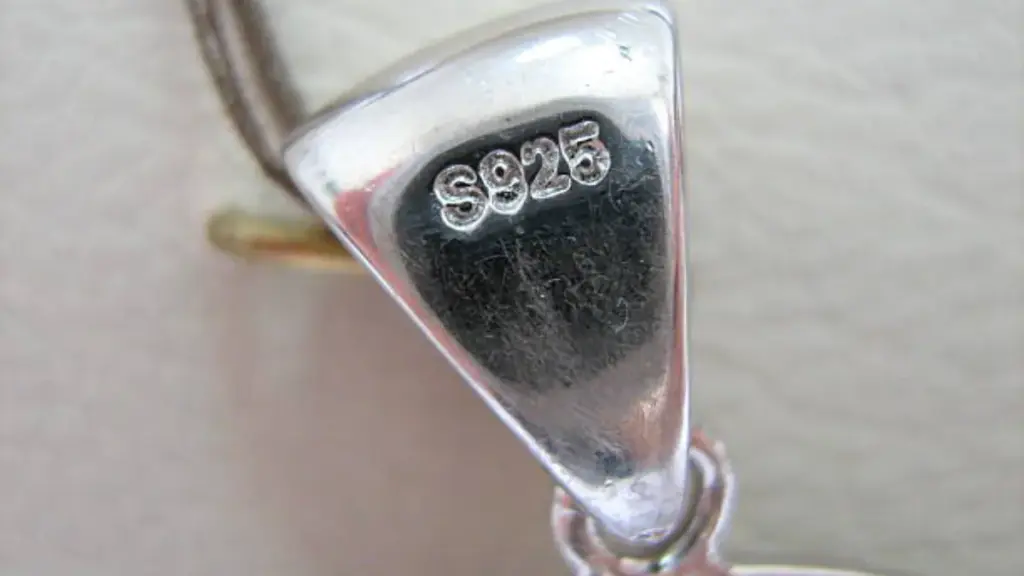
Sterling silver, or 925 silver, is composed of 92.5% silver and 7.5% alloy metals, typically copper. It is the global industry standard for silver jewelry because it offers a balanced combination of durability, appearance, and manufacturing efficiency.
Its key characteristic is structural stability combined with excellent workability. This allows it to be used in a wide range of jewelry products while maintaining consistent quality across mass production.
Key Pros
- Industry standard quality: Widely recognized “925” hallmark ensures trust
- Strong durability: Suitable for daily-wear jewelry
- Excellent manufacturability: Performs well in casting, polishing, and setting
- High versatility: Compatible with most jewelry designs and finishes
Key Cons
- Tarnish risk: Copper content reacts with air and moisture over time
- Requires maintenance: Needs regular cleaning to maintain shine
- Moderate hardness only: Less resistant than advanced alloy systems
Britannia Silver (95.8%)
Britannia silver contains 95.8% pure silver, making it purer than sterling silver while slightly softer in structure. It was originally developed as a higher-grade British standard and is still used today for premium and handcrafted jewelry.
Its main characteristic is a higher silver content that produces a brighter white tone and richer visual depth compared with sterling silver. This makes it attractive for artisan and decorative applications.
Key Pros
- Higher purity than sterling silver: Brighter and cleaner appearance
- Excellent for detailing: Suitable for sculptural and hand-finished designs
- Premium aesthetic value: Strong visual appeal for luxury collections
Key Cons
- Softer material: More prone to bending or surface marks
- Higher production cost: Less cost-efficient for mass production
- Limited commercial use: Not widely adopted in mainstream jewelry markets
Argentium Silver (93.5%, 94%, 96%)
Argentium silver is a modern silver alloy family designed to improve the performance of traditional sterling silver. It replaces part of the copper content with germanium, which significantly enhances tarnish resistance and surface stability.
Its key characteristic is its ability to maintain brightness for longer periods with reduced maintenance, making it a preferred choice for premium jewelry lines.
Key Pros
- Superior tarnish resistance: Germanium creates a protective surface layer
- Low maintenance: Keeps shine longer with less polishing required
- Improved hardness: Can be heat-hardened for better durability
- Premium appearance: Bright white finish close to fine silver
Key Cons
- Higher material cost: More expensive than standard sterling silver
- Specialized manufacturing process: Requires adjusted production parameters
- Limited supplier availability: Not as widely supported as 925 silver
Launch Your Custom Jewelry With No MOQ.
Silver Surface Finishes
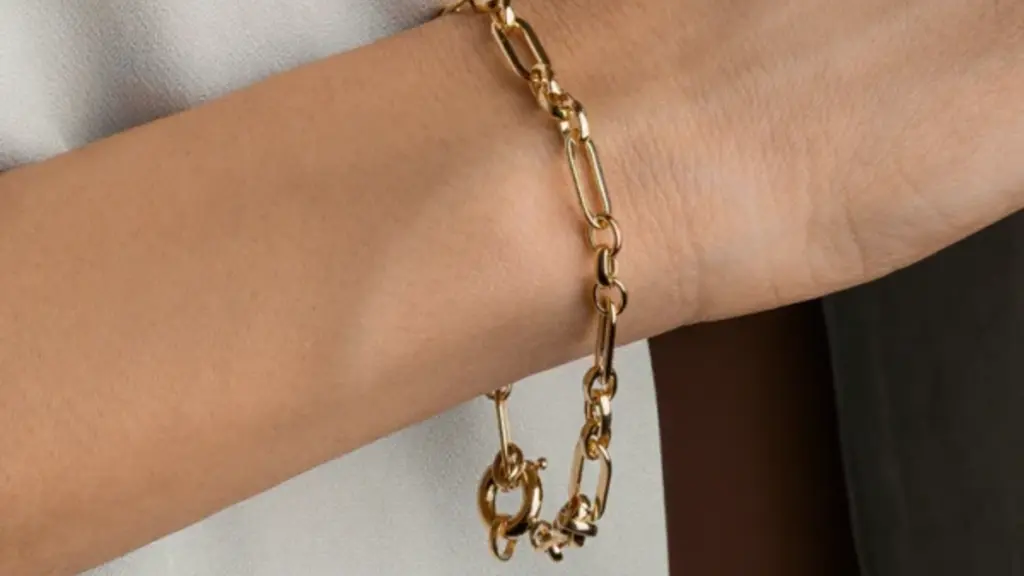
After selecting a silver material, manufacturers apply surface finishes to achieve the final visual style and product positioning without altering the base metal.
Gold Plating on Sterling Silver
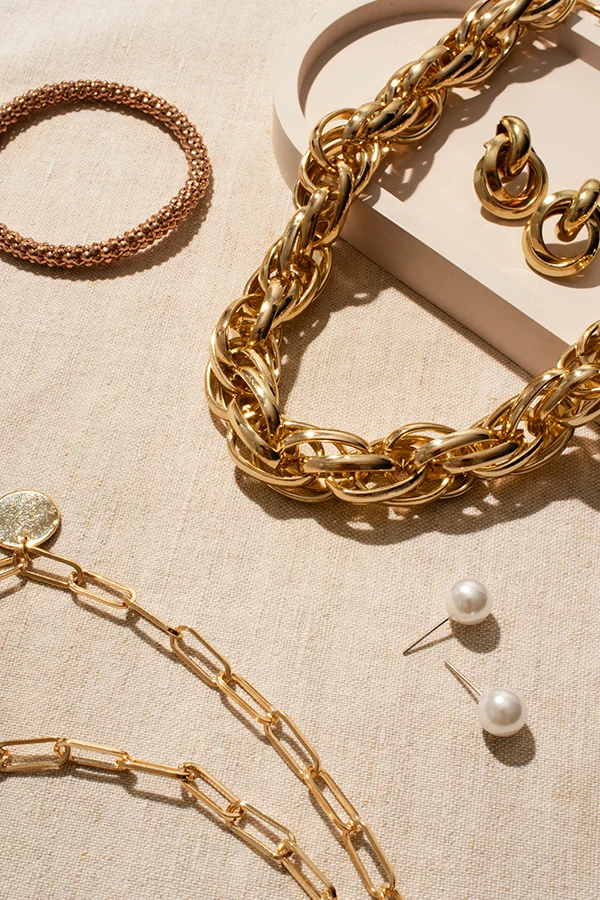
Gold plating is a surface finishing process where a thin layer of gold is electroplated onto 925 sterling silver. The thickness of the gold layer varies depending on product positioning, allowing brands to balance appearance and cost. It creates a gold-like visual effect while keeping sterling silver as the base metal.
Pros
- Affordable luxury: Achieves a gold appearance at a lower production cost
- Design flexibility: Supports yellow, rose, and white gold color options
- OEM compatibility: Works well with complex shapes and custom jewelry designs
- Market versatility: Widely used in fashion, seasonal, and private-label collections
Cons
- Surface wear: The thin gold layer gradually fades with daily use
- Durability dependence: Performance varies based on plating thickness and quality
- Limited lifespan: Not ideal for high-contact or everyday-wear jewelry
Vermeil (Premium Gold-Plated Sterling Silver)
Vermeil is a premium gold-plated finish that uses sterling silver as the base metal and applies a significantly thicker layer of gold. In most international standards, it requires a minimum gold thickness of 2.5 microns, making it more durable and higher in perceived value than standard gold plating.
Pros
- Thicker gold layer: Provides better wear resistance and longer-lasting color
- Sterling silver base: Uses precious metal instead of brass or copper
- Premium positioning: Suitable for fine jewelry and higher-end product lines
- Higher perceived value: More attractive for customers seeking luxury appearance
Cons
- Higher cost: More expensive than standard gold plating due to material and process requirements
- Not solid gold: Still a surface treatment, not a full-metal composition
- Manufacturing control required: Needs stricter process consistency to ensure quality
Gold Plating vs Vermeil (Quick Comparison)
| Feature | 금도금 | Vermeil |
|---|---|---|
| Base Metal | Sterling silver or other metals | Sterling silver only |
| Gold Thickness | Thin layer | Thick layer (≥2.5 microns) |
| Durability | Lower, wears faster | Higher, longer-lasting |
| Market Position | Fashion jewelry | Premium jewelry |
| Cost | Lower | Higher |
We also explain this concept further in our article 금으로 채워진 대. 금도금 대. 골드버메일: 주요 차이점과 유사점
What Is the Best Type of Silver for Jewelry?
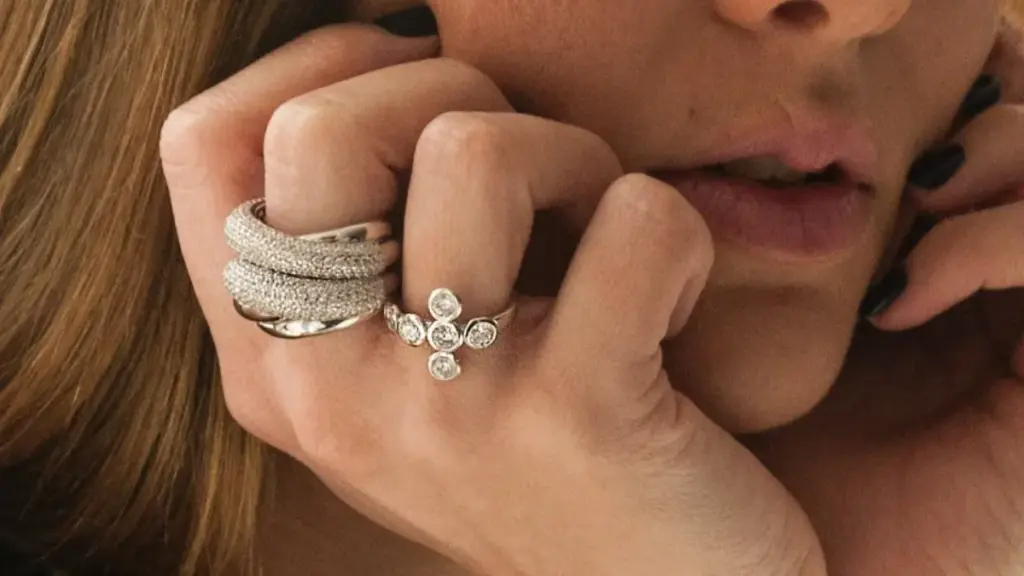
For most jewelry designs, 925 sterling silver is the most commonly recommended material. It offers a balanced combination of appearance and durability, with a clean silver tone that works well across different styles and markets.
At the same time, sterling silver provides enough strength for daily wear and supports a wide range of design possibilities, from simple everyday pieces to more detailed and expressive jewelry. It is also relatively easy to care for, which makes it suitable for both personal use and long-term product collections.
If you would like to explore more sterling silver designs, you can visit product catalog to see how the material is applied across different jewelry styles and applications. We also work with designer brands and offer OEM/ODM customization services, supporting projects from initial concept to final production.
Frequently Asked Questions
What does “925” mean in silver jewelry?
925 refers to 92.5% pure silver content in the alloy. The remaining 7.5% is usually copper or other metals added to improve hardness and durability. This standard is widely recognized in global jewelry manufacturing and ensures consistent quality for everyday wear products.
Which is better, 925 or 950 silver for jewelry?
Neither is universally better, as it depends on the application. 950 silver has higher purity and a brighter appearance, but it is softer and less durable. 925 sterling silver offers a better balance of strength and durability, making it more suitable for everyday jewelry such as rings and bracelets.
How many types of silver are there for jewelry?
There are four main silver materials commonly used in jewelry manufacturing: fine silver (99.9%), sterling silver (92.5%), Britannia silver (95.8%), and Argentium silver (93.5% to 96%). In addition, surface finishes such as gold plating and vermeil are often applied to modify appearance and market positioning.
What kind of silver doesn’t tarnish?
No silver is completely immune to tarnishing, but some types resist it better than others. Argentium silver offers the highest tarnish resistance due to germanium forming a protective surface layer. Fine silver also tarnishes more slowly than sterling silver, but it is too soft for most functional jewelry.
Which silver is best for daily use?
For everyday jewelry, 925 sterling silver is the most practical choice. It balances durability, appearance, and cost, making it suitable for most daily-wear designs and commercial jewelry collections.