Cleaning sterling silver jewelry incorrectly can cause scratches, discoloration, or damage to delicate finishes and gemstones. This guide on how to clean sterling silver jewelry without damaging it explains safe methods to remove tarnish, restore shine, and protect your jewelry from unnecessary wear.
From everyday cleaning techniques to care tips for different jewelry types, this article helps buyers and jewelry brands maintain the quality and appearance of 925 sterling silver pieces with reliable cleaning practices.
Why Does Sterling Silver Tarnish?
Sterling silver tarnishes when the metal reacts with sulfur compounds, moisture, and chemicals in the environment. Although 925 sterling silver contains 92.5% pure silver, the other metals in the alloy help improve durability but can also affect how silver reacts over time.
Common causes of tarnish include:
- Humidity and moisture: Accelerate oxidation on the silver surface.
- Skin oils and sweat: Leave residues that can dull the jewelry finish.
- Cosmetics and chemicals: Perfume, lotions, chlorine, and cleaning products may speed up discoloration.
Tarnish is a natural reaction and does not mean the jewelry is low quality. With proper cleaning and storage, genuine sterling silver jewelry can maintain its shine and appearance for years.
Check Before Cleaning Sterling Silver Jewelry
Before cleaning sterling silver jewelry, check the material, драгоценные камни, and condition of the piece. A quick inspection helps you choose a safe cleaning method and avoid accidental damage.
Confirm the Silver Material
Different silver materials require different levels of care. 925 серебро 925 пробы is generally suitable for gentle cleaning methods, while silver-plated jewelry needs more caution because the thin silver layer can wear away with harsh cleaners or excessive polishing. Also check whether the jewelry has special finishes, such as oxidized silver, as aggressive cleaning may remove intentional surface details.
If you want to learn more about what 925 means on jewelry and how to identify silver markings, check our complete hallmark guide.
Check Gemstones and Jewelry Details
Not all sterling silver jewelry can be cleaned in the same way. Gemstones, settings, and decorative elements may react differently to water, heat, or cleaning products.
Pay attention to:
- Sensitive gemstones: Pearls, opals, turquoise, and similar stones may be damaged by chemicals or long soaking.
- Glued components: Excessive moisture may weaken the adhesive used to secure stones.
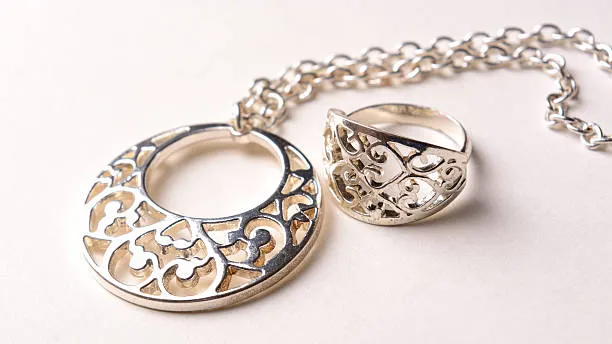
- Delicate designs: Filigree, engraving, and small details require gentle handling to avoid scratches or residue buildup.
For jewelry with fragile materials, clean the silver surface carefully instead of soaking the entire piece.
Check the Jewelry Condition Before Cleaning
Inspect the jewelry condition before applying any cleaning method. Existing damage can become worse if the piece is scrubbed or soaked incorrectly.
Look for:
- Loose stones or settings: Avoid cleaning at home until the structure is secure.
- Deep scratches or worn surfaces: Abrasive methods may make the damage more visible.
- Heavy discoloration or corrosion: These may require professional treatment instead of regular cleaning.
Starting with the mildest cleaning method is the safest way to protect sterling silver jewelry.
Обычай 925 Sterling Silver Jewelry Solutions
How to Clean Sterling Silver Jewelry Safely
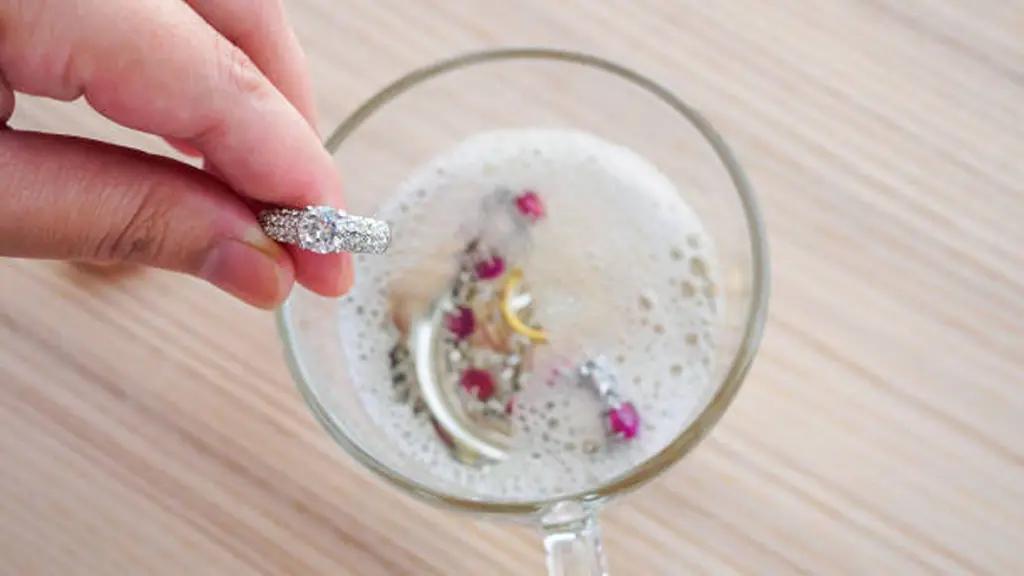
The best way to clean sterling silver jewelry depends on the level of tarnish and the type of piece. Gentle methods such as mild soap, baking soda, and polishing cloths can effectively restore shine without damaging the silver surface.
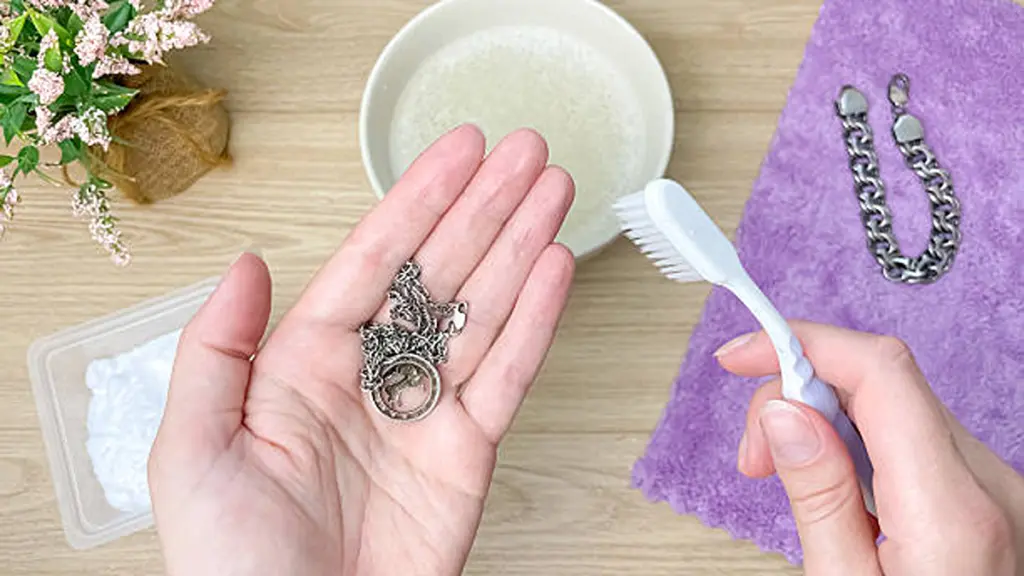
Clean Sterling Silver Jewelry with Mild Soap and Water
For most 925 ювелирные изделия из стерлингового серебра, mild soap and water is the safest starting method. It helps remove daily buildup such as skin oils, dust, and cosmetic residue without affecting the natural finish of the silver.
Follow these steps:
- Mix a few drops of mild dish soap with warm water.
- Soak the jewelry for about 5–10 minutes to loosen surface dirt.
- Gently clean the piece with a soft cloth or soft-bristled brush.
- Rinse thoroughly with clean water.
- Dry completely with a soft towel to prevent water spots.
This method works well for frequently worn items such as rings, necklaces, браслеты, and earrings. Avoid hot water, strong detergents, or rough scrubbing, especially when the jewelry includes gemstones or delicate details.
How to Clean Sterling Silver with Baking Soda
Baking soda is a common home method for removing heavier tarnish. When combined with aluminum foil and warm water, it creates a chemical reaction that helps remove tarnish from the silver surface without strong polishing.
A simple cleaning process includes:
- Place aluminum foil in a bowl and add the jewelry.
- Cover the piece with baking soda.
- Add warm water and allow it to sit for a short time.
- Rinse the jewelry and dry it completely.
This method is more suitable for plain sterling silver pieces with noticeable tarnish. However, it is not recommended for every type of jewelry.
Avoid using baking soda on:
- Soft gemstones: Pearls, turquoise, and opals may be damaged by this cleaning method.
- Oxidized silver: The reaction may remove intentional darkened details.
- Silver-plated jewelry: Repeated cleaning may affect the thin silver coating.
- Delicate finishes: Abrasion may reduce surface shine or details.
Because baking soda can create mild abrasion, it should be used occasionally rather than as a regular cleaning routine.
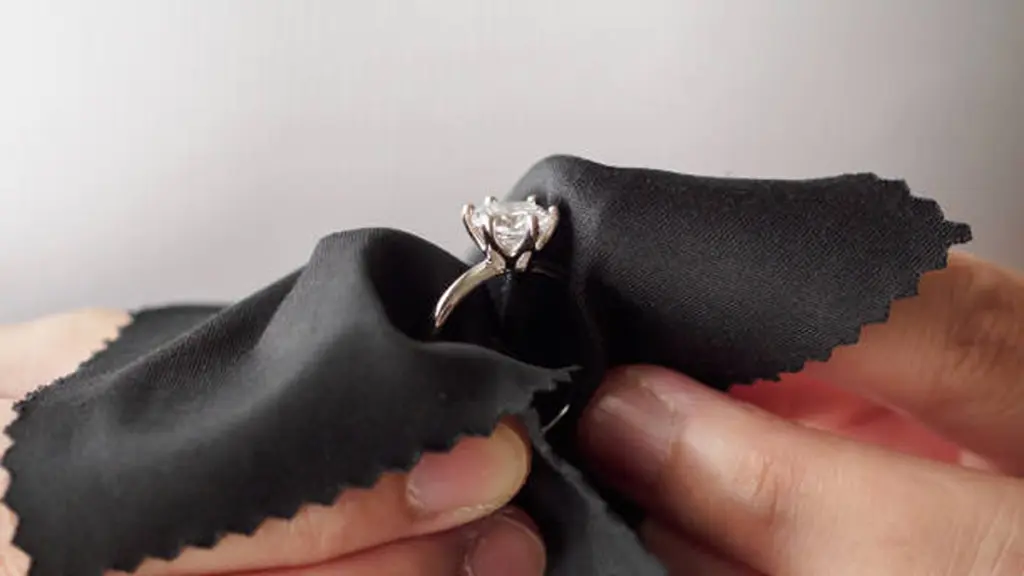
Use a Silver Polishing Cloth for Regular Care
A silver polishing cloth is one of the easiest tools for maintaining sterling silver jewelry between deeper cleanings. It removes light tarnish, fingerprints, and surface oils while helping restore the jewelry’s shine.
It is especially useful for:
- Daily maintenance: Keeping frequently worn jewelry bright and clean.
- Light tarnish removal: Removing early signs of oxidation before buildup becomes heavier.
- Final polishing: Improving the surface appearance after gentle cleaning.
Use the cloth with light pressure and avoid excessive rubbing, especially on jewelry with engraved patterns, matte finishes, or oxidized areas. Regular polishing is usually safer than frequent deep cleaning because it helps maintain the original appearance of the silver over time.
How to Clean Different Sterling Silver Jewelry Types
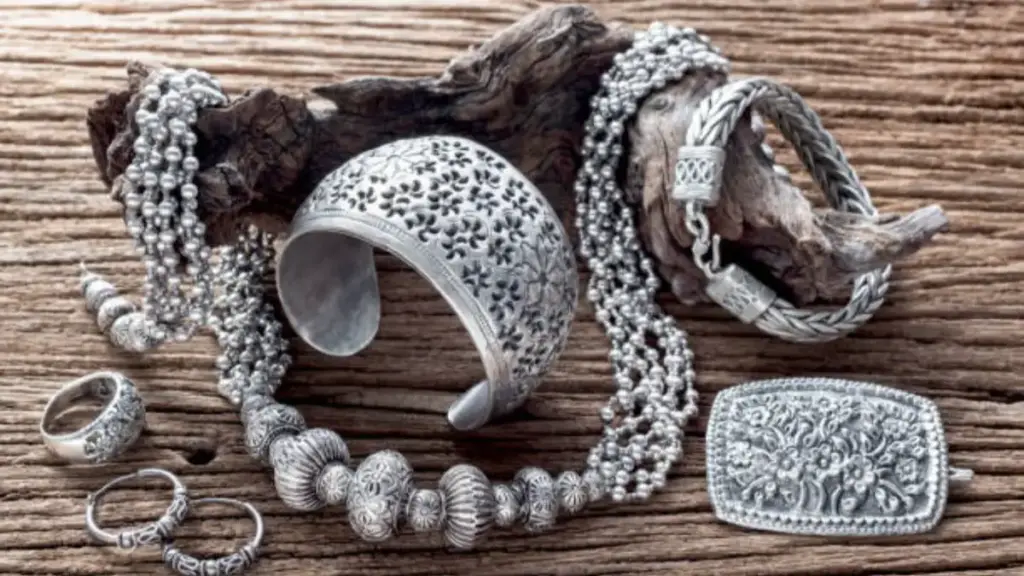
Different sterling silver jewelry designs have unique structures and wear patterns. Adjusting the cleaning approach based on the piece type helps remove buildup while protecting delicate details.
How to Clean Sterling Silver Necklaces and Chains
Sterling silver necklaces and chains often collect dirt in small areas such as chain links, clasps, and connecting points. These narrow spaces can trap oils and residue, making them harder to clean with a polishing cloth alone.
For most necklaces and chains, gentle cleaning with mild soap and warm water works well. Use a soft brush to carefully reach between links, but avoid pulling or pressing too hard on delicate chains, as thin links can bend easily.
Pay extra attention to:
- Chain links: Small gaps between links often collect dust and skin oils.
- Clasps: Closure areas usually need more frequent cleaning because they touch the skin and collect residue.
- Delicate chains: Lightweight designs require gentler handling to avoid stretching or deformation.
Always dry necklaces completely before storage, especially around the clasp and link areas where moisture can remain.
How to Clean Sterling Silver Earrings
Sterling silver earrings require regular care because they are exposed to skin oils, cosmetics, and hair products more frequently than many other jewelry types. The areas around the post and earring back often collect the most residue.
For everyday maintenance, gently wipe earrings with a silver polishing cloth after wearing. When deeper cleaning is needed, use mild soap and water on the silver surfaces and dry thoroughly afterward.
Be careful with:
- Earring posts and backs: These areas need extra attention because they stay in direct contact with skin.
- Gemstone earrings: Avoid soaking pieces with sensitive stones or glued components.
- Decorative details: Use gentle cleaning to protect small designs and surface finishes.
Regular light cleaning is usually better than frequent deep cleaning, especially for earrings worn every day.
How to Clean Sterling Silver Bracelets
Браслеты are exposed to more friction, sweat, and contact with surrounding surfaces, which makes them more likely to develop surface buildup. Designs with charms, цепи, or mixed materials also require more careful handling.
A soft cloth can remove daily residue, while mild soap and water can help clean areas with heavier buildup. When cleaning bracelets, focus on:
- Links and joints: These areas often collect dirt from movement and daily wear.
- Charms and decorative parts: Clean each component according to its material type.
- Inner surfaces: The side touching the skin usually needs more frequent cleaning.
For bracelets with gemstones, enamel, or mixed materials, avoid treating the entire piece with the same method. Cleaning each part according to its material helps maintain the bracelet’s appearance and durability.
When Should Sterling Silver Jewelry Be Professionally Cleaned?
Home cleaning works well for daily care, but some jewelry needs professional attention to protect its finish, structure, and long-term value.
Professional cleaning is worth considering in the following situations:
- Heavy tarnish or discoloration: If deep black tarnish remains after gentle cleaning methods, professional tools can remove buildup more safely without excessive polishing.
- Delicate gemstones or mixed materials: Jewelry with pearls, opals, turquoise, enamel, glued stones, or other sensitive components requires specialized handling to avoid damage.
- Complex designs: Fine chains, detailed engravings, filigree, and multi-layered designs can trap dirt in areas that are difficult to reach with home cleaning methods.
- High-value or meaningful pieces: Antique jewelry, luxury collections, and sentimental items benefit from professional care to preserve their original finish and details.
For sterling silver jewelry brands and retailers, professional cleaning and proper maintenance help maintain consistent product appearance before photography, quality checks, resale, or customer delivery. Before starting a silver jewelry business, it is also important to understand how to care for and maintain silver pieces to protect product quality.
Final Thoughts
Keeping sterling silver jewelry clean with the right methods helps preserve its shine, appearance, and long-term value. This guide on how to clean sterling silver jewelry shows safe ways to remove tarnish while avoiding damage to different silver pieces.
For jewelry brands and retailers, product quality begins with reliable materials and manufacturing processes. XH Jewelry provides custom ODM/OEM jewelry solutions with premium 925 серебро 925 пробы materials, skilled craftsmanship, and dependable production support for global partners.
Frequently Asked Questions
How can I clean sterling silver at home?
For light, everyday cleaning, use a few drops of mild dish soap in warm water, gently scrub with a soft brush, and dry thoroughly. To remove tarnish, an effective method involves soaking the silver in a bowl lined with aluminum foil, hot water, and baking soda; this creates a chemical reaction that removes tarnish without harsh scrubbing. For more control, commercial silver polishes and treated cloths are also excellent options.
Is it safe to clean silver jewelry with baking soda?
Yes, baking soda is safe for sterling silver when used correctly. The least abrasive method is creating a solution with hot water, baking soda, and aluminum foil for soaking. Alternatively, you can create a paste of baking soda and water to gently rub away tarnish, but be aware this is mildly abrasive and can leave micro-scratches on highly polished surfaces. Avoid this method on pieces with delicate stones or special finishes.
Can toothpaste damage my silver jewelry?
Yes, using toothpaste to clean silver is risky. Many toothpastes, especially whitening or tartar-control formulas, contain abrasives that can scratch the metal’s surface, dull its finish, and damage soft gemstones. While it might remove some tarnish, safer alternatives like a dedicated silver polishing cloth or a mild soap and water solution are recommended.
Will an ultrasonic cleaner damage sterling silver?
An ultrasonic cleaner itself does not typically damage solid sterling silver. Damage can occur if the cleaning cycle is too long, which may cause a dull, frosty finish. The primary risk is to jewelry with soft or porous stones (like opals, pearls, or turquoise), glued components, or delicate settings, as the vibrations can cause them to crack or become loose.
How often should I clean my sterling silver?
Frequency depends on use and storage. It’s good practice to wipe pieces with a soft, dry cloth after each wear. For items worn regularly, a gentle wash with mild soap and water can be done every few weeks. A more thorough polish to remove tarnish is only needed when you see discoloration, typically a few times a year. Over-polishing can wear away the metal over time.
Why does my silver turn black after I clean it?
The black discoloration is tarnish (silver sulfide), which forms when silver reacts with sulfur in the air. If silver appears black after cleaning, it’s often because the cleaning removed surface oils and dirt that were hiding the existing tarnish. It can also mean the cleaning method was too mild to remove the tarnish layer itself. To prevent rapid re-tarnishing, store your silver in a dry, low-humidity environment, preferably in an anti-tarnish bag.