Fake or low-quality silver jewelry can be difficult to identify, especially when products carry misleading marks like “925” or only have a thin silver coating. Knowing how to tell if jewelry is really sterling silver helps buyers, retailers, and jewelry brands avoid costly mistakes, protect product value, and maintain customer trust.
By learning how to verify silver purity through hallmarks, physical characteristics, and professional testing methods, businesses can make more informed sourcing decisions and ensure consistent jewelry quality before products reach the market.
What Is Sterling Silver?
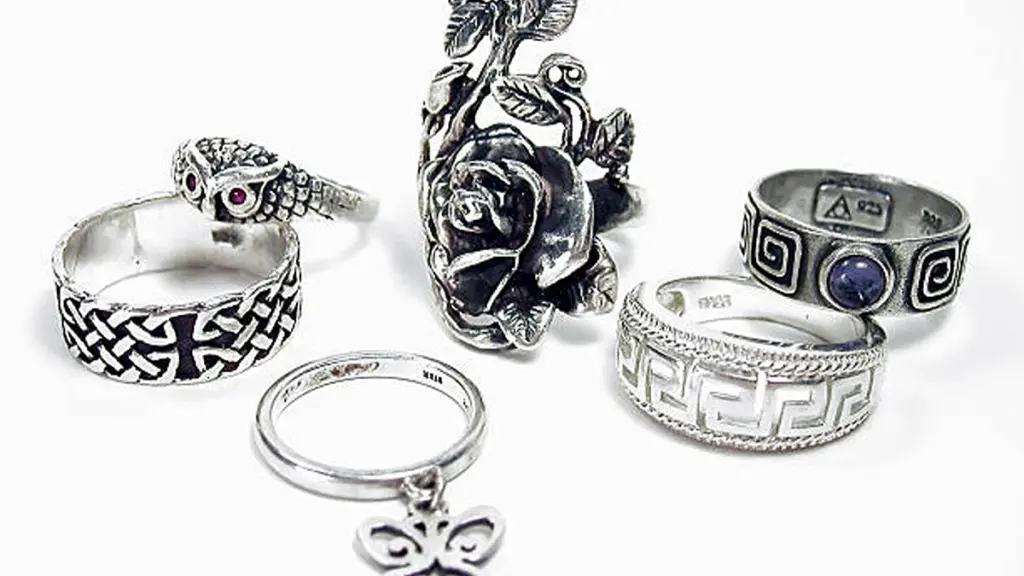
Sterling silver is a silver alloy widely used in jewelry because it offers a good balance of beauty, durability, and value. Unlike fine silver, which contains 99.9% pure silver but is too soft for everyday jewelry, sterling silver is stronger and more suitable for rings, necklaces, браслеты, and earrings.
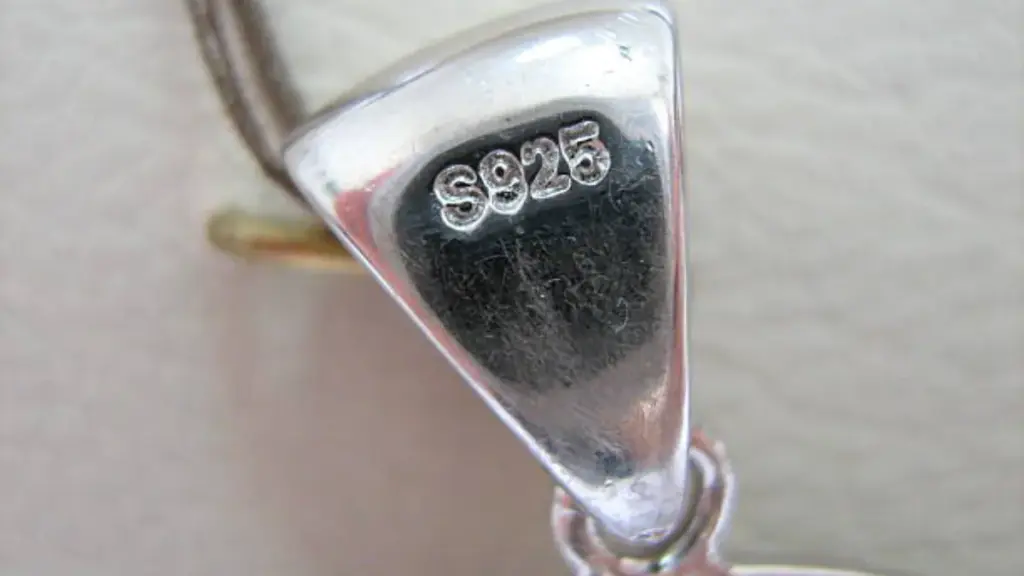
Genuine sterling silver contains 92.5% pure silver and 7.5% other metals, usually copper. This is why it is commonly marked as 925, S925, or 925 серебро 925 пробы. The added metals improve hardness and help jewelry maintain its shape during daily wear.
For jewelry buyers and brands, 925 ювелирные изделия из стерлингового серебра is a trusted material standard because it provides the quality and durability expected from fine jewelry. However, since silver-plated products can look similar, additional checks are needed to confirm whether a piece is truly sterling silver.
Why It Matters If Sterling Silver Is Real
Silver jewelry may look similar on the surface, but the actual material composition determines its quality, value, and durability. Verifying authenticity helps buyers avoid mistakes and ensures they receive genuine sterling silver products.
Not all jewelry marked as silver is made from real 925 серебро 925 пробы. Some pieces may use base metals with a thin silver coating, while others may carry inaccurate purity marks. Choosing unverified products can affect both customer experience and business reputation.
For buyers and jewelry businesses, authentic sterling silver helps provide:
- Better durability: Genuine sterling silver maintains its quality and can be polished to restore its original shine.
- Higher product value: Real 925 silver offers recognized material value compared with silver-plated alternatives.
- Stronger customer trust: Accurate material information helps brands build credibility and long-term relationships.
For retailers and jewelry brands, verifying silver authenticity before purchasing or selling products is an important step in maintaining consistent quality standards.
Обычай 925 Sterling Silver Jewelry Manufacturing
How to Check If Jewelry Is Really Sterling Silver
Several practical checks can help identify whether jewelry is made from genuine sterling silver. From purity marks and physical characteristics to simple testing methods, these steps can help buyers evaluate silver authenticity before professional verification.
Check 925 Hallmarks and Purity Marks
The hallmark is the first place to check when verifying sterling silver jewelry. Genuine 925 sterling silver usually carries marks that indicate its silver content.
Common sterling silver marks include:
- 925: Indicates 92.5% pure silver content, the standard for sterling silver jewelry.
- S925: Shows that the jewelry is made with 92.5% silver composition.
- Sterling / STER: Common markings used to identify sterling silver material.
These marks are usually found in less visible areas, such as the inside of a ring band, the clasp of a necklace or bracelet, or the back of earrings.
However, a 925 stamp alone does not always prove authenticity. Some imitation products may use false purity marks, so buyers should combine hallmark inspection with other identification methods for better accuracy.
Examine Silver Appearance and Material Signs
Besides checking purity marks, the appearance and behavior of the metal can provide additional clues. Genuine sterling silver has several characteristics that separate it from silver-plated or imitation jewelry.
- Color and Shine: Real sterling silver usually has a soft white luster rather than an overly bright or artificial mirror-like finish. Its appearance becomes more natural over time as the surface develops a light patina.
- Weight and Feel: Sterling silver has a relatively high density, so genuine pieces often feel solid compared with lightweight alternatives. However, weight alone cannot confirm authenticity because jewelry size, design, and structure can affect the final weight.
- Tarnish Behavior: Real sterling silver naturally reacts with air and moisture, which may create a darker surface layer over time. This oxidation can be removed through proper cleaning and polishing. Unlike plated jewelry, genuine sterling silver does not peel or reveal another metal underneath.
- Wear Signs: Silver-plated jewelry only has a thin silver layer on the outside. When the coating wears away, different colors or base metals may appear around edges, scratches, or high-contact areas.
Perform Simple Tests to Check If Silver Is Real
Simple at-home tests can provide quick clues about whether jewelry is likely to be genuine sterling silver. These methods are easy to perform and usually do not damage the piece, but they should not replace professional testing.
- Magnet Test: Sterling silver is not magnetic. Place a strong magnet near the jewelry and check the reaction. If the piece is strongly attracted, it may contain magnetic base metals such as iron or steel. However, a non-magnetic result alone cannot fully confirm that the jewelry is real sterling silver.
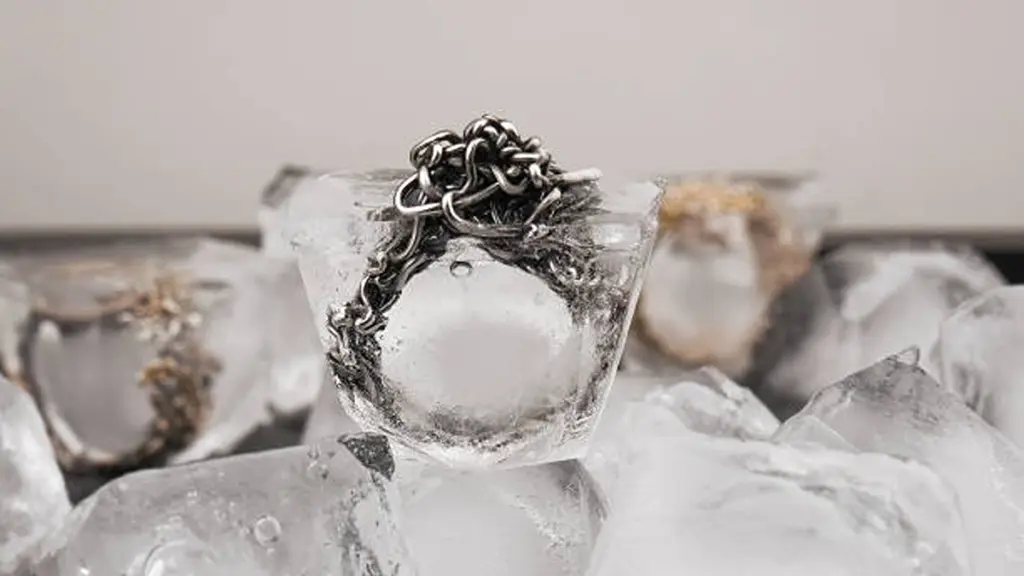
- Ice Cube Test: Silver has excellent thermal conductivity and transfers heat quickly. Place an ice cube on the jewelry surface and compare how quickly it melts. Genuine silver may cause faster melting than many other metals, providing an additional clue during the verification process.
- Soft Cloth Test: Gently rub the jewelry with a soft white cloth. Real sterling silver may leave a dark mark caused by surface oxidation. This happens because silver naturally reacts with elements in the environment and is not a sign of poor quality.
- Sound Test: Genuine silver often produces a clear, ringing sound when lightly tapped. However, this method requires experience and is less reliable than hallmark checks or material testing.
Professional Sterling Silver Authentication Methods
Simple checks can help identify possible fake silver jewelry, but professional testing provides more accurate results when jewelry value, material compliance, or bulk sourcing decisions require confirmation.
XRF Testing for Accurate Silver Composition
X-Ray Fluorescence (XRF) testing is one of the most widely used methods for verifying sterling silver composition. It analyzes the metal elements in a jewelry piece and shows the actual silver percentage without damaging the surface.
XRF testing helps confirm:
- Silver Purity: Verifies whether the jewelry meets the 92.5% silver standard of sterling silver.
- Metal Composition: Identifies other metals used in the alloy.
- Quality Consistency: Ensures multiple pieces meet the same material requirements.
Because it is fast and non-destructive, XRF testing is commonly used for valuable jewelry, quality inspections, and professional manufacturing processes.
Acid Testing and Other Metal Analysis Methods
Acid testing is a traditional way to estimate silver purity through a chemical reaction between the metal and testing solution. While it can provide useful results, it may leave a small mark on the jewelry surface and requires proper handling.
Other testing methods include:
- Electronic Metal Testing: Uses electrical properties to estimate metal composition.
- Density Testing: Compares the jewelry’s weight and volume with the expected density of sterling silver.
These methods are often used together with other verification approaches to improve accuracy.
Supplier Verification for Bulk Jewelry Purchasing
For jewelry brands and retailers, confirming the supplier is often more important than testing individual pieces. A reliable manufacturer should provide clear material information and consistent quality control throughout production.
When evaluating a sterling silver jewelry supplier, consider:
- Material Transparency: Clear details about silver purity and product specifications.
- Quality Control: Reliable inspection procedures during production.
- Manufacturing Experience: Proven capability in 925 sterling silver jewelry production.
Working with an experienced 925 sterling silver jewelry manufacturer helps brands reduce sourcing risks and maintain consistent product quality.
If you are sourcing suppliers, you may also find our article on 925 Sterling Silver Sourcing: a Complete Guide for Jewelry Brands useful.
Final Thoughts
Identifying whether jewelry is really sterling silver helps buyers avoid low-quality products and allows businesses to protect product value and customer trust. Hallmarks, physical signs, and simple tests can provide useful guidance, while professional verification offers greater confidence for valuable pieces and bulk purchases.
For jewelry brands and retailers, working with a reliable 925 sterling silver jewelry manufacturer is essential for maintaining consistent quality and product reliability. XH Jewelry provides custom ODM/OEM jewelry solutions with professional craftsmanship and dependable production support, helping global partners develop high-quality sterling silver collections that meet their market needs.
Frequently Asked Questions
How can you tell if silver is real 925 sterling?
You can identify real 925 sterling silver by checking for official hallmarks like “925,” “STER,” or “Sterling.” Additionally, use a strong magnet; genuine silver is not magnetic. Real silver also tarnishes over time, leaving a black residue when polished with a soft cloth. Inspecting for signs of plating, such as flaking or a different colored metal showing through at wear points, can also help. For a definitive answer, especially for valuable items, professional testing by a jeweler is the most reliable method.
Does real 925 silver stick to a magnet?
No, real 925 sterling silver does not stick to a magnet. Silver is a non-magnetic metal, and the copper typically used in the alloy is also non-magnetic. If a piece of jewelry is strongly attracted to a magnet, it is almost certainly not solid sterling silver and likely has a core made of a magnetic metal like iron or nickel. Be aware that small components like clasps may contain steel springs and can show a slight magnetic pull.
What does the 925 stamp on jewelry mean?
The “925” stamp on jewelry indicates it is made of sterling silver. This means the piece is an alloy composed of 92.5% pure silver and 7.5% other metals, usually copper. This combination increases the metal’s strength and durability, making it suitable for everyday wear, as pure (99.9%) silver is too soft. The stamp is a standard mark of purity in the jewelry industry.
Can a fake silver item have a 925 stamp?
Yes, it is possible for fake or silver-plated items to be illegally stamped with a “925” mark. Counterfeiters do this to mislead buyers into thinking a piece made of a cheaper base metal is genuine sterling silver. Because the stamp itself can be forged, you should always use additional tests—like the magnet test or checking for plating wear—to verify authenticity.
Is sterling silver always marked?
Most commercially produced modern sterling silver is marked to indicate its purity. However, not all genuine sterling silver items have a stamp. Exceptions include very old or antique pieces made before hallmarking was standardized, handmade artisanal items, or very small components where stamping is not feasible. The absence of a mark requires further testing to confirm the metal’s content.
How do pawn shops test for real silver?
Pawn shops use a multi-step process. They start with a visual inspection for hallmarks (like “925”) and signs of wear. Следующий, they perform a magnet test to rule out magnetic base metals. The most common method is an acid test, where a small scratch is made on a testing stone and acid is applied to observe the color reaction. For more valuable items, they may use an electronic tester or an X-ray fluorescence (XRF) analyzer for a precise, non-damaging analysis of the metal’s composition.