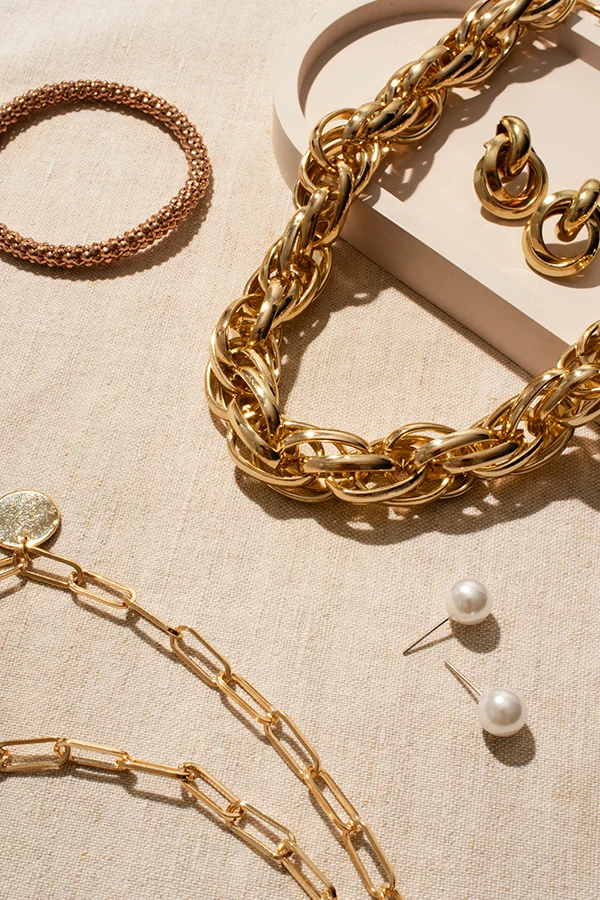
Gold plated jewelry does not have one fixed lifespan. Some pieces may show the base metal within weeks, while others can keep their colour for years. The difference often comes down to plating thickness, base metal, surface finishing, and how the jewelry is worn and maintained. For wholesale buyers and brand owners, plating durability affects customer expectations, returns, and repeat orders. This guide explains realistic lifespan ranges and the specifications buyers should confirm before placing a jewelry order.
Factors That Affect Gold Plated Jewelry Wear Time
Several factors affect how quickly a gold plated finish wears, with plating thickness, gold composition, and the layers underneath playing the biggest roles.
Gold Plating Thickness and Wear Resistance
The amount of gold deposited on the surface affects how much wear the finish can withstand before the base metal starts to show. Plating thickness is measured in microns (µm), but product specifications do not always state the number clearly.
Common ranges include:
- Flash plating: Usually below 0.2 µm, mainly used when appearance matters more than long-term wear.
- Standard plating: Around 0.5 µm, commonly used for everyday gold plated jewelry.
- Heavy gold plating: Around 2.5 µm or more, providing a much thicker layer for higher wear resistance.
Thickness does not guarantee a fixed lifespan, but it gives buyers a useful starting point when comparing plating specifications.
Gold Karat and Plating Durability
Karat affects the composition and colour of the gold layer, and it can also influence hardness. Cependant, karat alone does not determine how long the plating will last.
- 14K: Lower gold content with more alloying metals, often offering a harder deposit.
- 18K: Higher gold content with a warmer, richer appearance.
- 24K: Closest to pure gold, with a softer deposit and a brighter yellow colour.
For durability comparisons, karat should therefore be considered together with plating thickness and the plating alloy rather than used as a standalone measure.
Base Metal and Surface Preparation
The gold layer sits on top of other materials, so the condition of those layers affects the final finish. A well-prepared surface gives the plating a more stable foundation, while defects underneath can become wear points.
Key factors include:
- Base metal: Sterling silver, brass, and other substrates can affect the final finish and colour.
- Surface preparation: Cleaning and polishing help create a smoother surface for plating.
- Underplate or barrier layer: An intermediate layer can improve adhesion, reduce metal migration, and help maintain colour consistency.
This is why two pieces with the same gold plating thickness can still show different wear patterns over time.
Realistic Gold Plated Jewelry Lifespan by Grade and Wear Pattern
Actual wear time varies with plating thickness, wearing frequency, and how much friction the jewelry receives during everyday use.
| Plating Grade | Typical Thickness | Frequent Daily Wear | Occasional or Rotational Wear |
|---|---|---|---|
| Flash / fashion plate | Below 0.2 µm | Weeks to a few months | Several months |
| Standard electroplate | Around 0.5 µm | Several months to around 1–2 years | Around 2–4 years |
| Heavy gold electroplate | 2.5 µm and above | Several years under normal use | Several years or longer |
| Gold vermeil | At least 2.5 µm over sterling silver | Often lasts for years, depending on wear | Can last several years or longer |
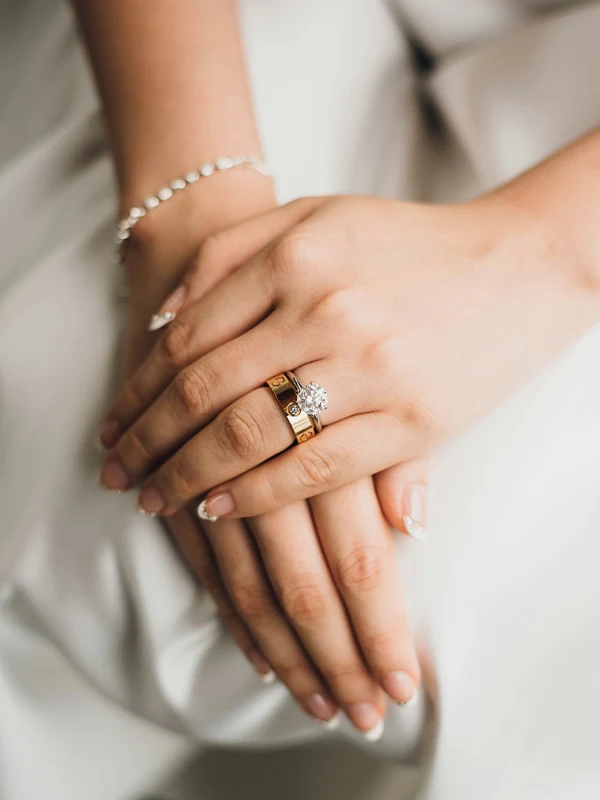
These are practical planning ranges rather than guaranteed service lives. Frequent contact with skin, clothing, desks, or other jewelry can accelerate wear, especially on rings, bracelets, clasps, and chain contact points. Earrings and pendants often retain their finish longer because they experience less friction.
For wholesale buyers, the useful comparison is not simply the number of years. The same plating grade can perform very differently depending on the product’s wear pattern and intended use. A finish designed for an everyday ring needs a different durability target from one used on an occasional pendant.
Order Gold Plated Jewelry You Can Stand Behind
What Shortens a Gold Plated Finish
Everyday exposure can wear down a plated finish faster than its thickness alone would suggest, especially when several factors occur together.
How Skin, Sunscreen, and Fragrance Affect Gold Plated Jewelry
Perspiration, cosmetics, and fragrance can gradually affect a plated surface, particularly when the jewelry is exposed to them every day. Repeated contact does not remove the finish instantly, but it can shorten its wear time when combined with friction and moisture.
A simple care sequence helps: apply skincare, sunscreen, and fragrance first, allow them to dry, and put the jewelry on afterward.
How Water, Heat, and Friction Wear Down Gold Plating
Water itself is not always the main problem. The greater concern comes from repeated exposure combined with heat, chemicals, and rubbing.
- Swimming and hot tubs: Chlorine and other chemicals can affect the finish.
- Showers and workouts: Moisture and perspiration increase repeated exposure.
- Cleaning and scrubbing: Friction can wear high-contact areas more quickly.
For plated jewelry, regular exposure to these conditions can make visible wear appear much sooner than occasional use.
How Storage Affects Gold Plated Jewelry Durability
Storage matters because jewelry can continue to experience surface friction even when it is not being worn. Pieces kept loose in a drawer may rub against each other or other objects, creating small scratches over time.
Separate storage in a soft pouch or divided jewelry box helps reduce this contact. Keeping pieces dry also limits unnecessary exposure to humidity and other environmental conditions.
Plating Quality and Production Consistency
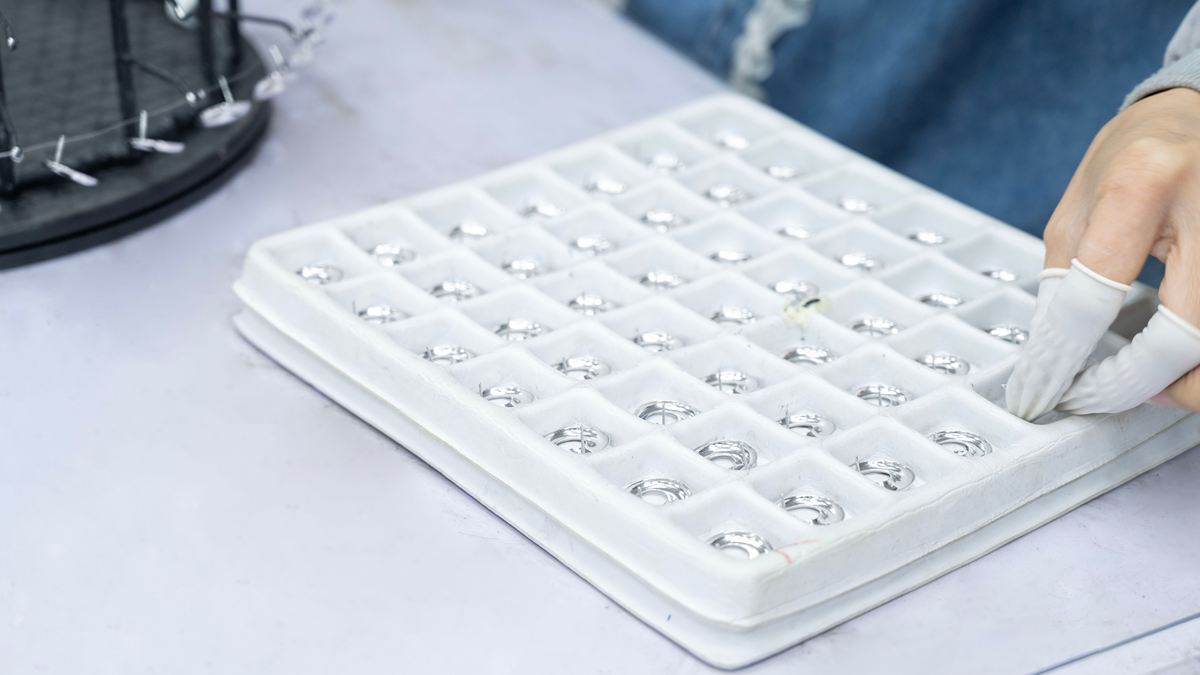
The plating specification is only part of the final result. Production consistency also matters because small differences during cleaning, polishing, placage, or rinsing can affect how evenly the finished layer performs.
For buyers, this is one reason to look beyond a single micron number. Consistent production, proper surface preparation, and quality control help turn a stated plating specification into a repeatable finish across an entire order.
High-Friction Areas Wear Gold Plating Faster
Not every part of a jewelry piece receives the same amount of contact. Areas that repeatedly touch skin, clothing, desks, or other jewelry usually show wear before surfaces that move less.
- Anneaux: Frequent contact with hands and hard surfaces makes them highly exposed to friction.
- Bracelets and chain contact points: Repeated movement can increase surface rubbing.
- Clasps and edges: Small contact areas can show wear earlier.
- Earrings and pendants: Usually experience less mechanical friction during normal wear.
This means one order can show different wear patterns across different jewelry categories, even when the same plating specification is used.
Plating Specifications B2B Buyers Should Put in Writing
A plating description is difficult to verify unless the key details appear in the product specification, purchase order, or sample approval record.
| Specification | What to Specify | Why It Matters |
|---|---|---|
| Gold thickness | Minimum thickness in microns, including any higher requirement for high-friction areas | Sets the amount of gold available to wear away |
| Karat and colour | 14K, 18K, 24K, rose gold, champagne gold, or an approved colour sample | Helps control colour consistency and the composition of the gold deposit |
| Base metal and surface finish | 925 sterling silver or another agreed substrate, with the required surface finish | Provides the foundation for the plating layer |
| Barrier or underplate | State whether an intermediate layer is required and its specification | Can support adhesion, colour stability, and separation between metals |
| Sample wear check | Define how the pre-production sample will be checked before bulk approval | Can reveal wear issues that photos and visual inspection may miss |
| Skin-contact compliance | Specify applicable requirements such as nickel release and REACH for the target market | Supports market compliance and reduces avoidable return or clearance issues |
One detail deserves special attention: where the thickness applies. Anneaux, clasps, chain contact points, and other high-friction areas may need a different plating target from broad, low-contact surfaces. If the purchase order gives only one overall thickness, confirm how the supplier applies that specification across the piece.
For brands developing custom collections, XH-Jewelry uses 925 sterling silver bases and can set the karat, colour, and plating thickness according to the project requirements. Our OEM and ODM programs also include CAD proof and physical sample approval before bulk production, giving buyers a chance to review the finish before committing to the full order.
Extending Plated Life Once the Goods Are Yours
Good care cannot replace plating quality, but simple handling habits can reduce unnecessary wear and help customers keep the finish looking better for longer.
- Put jewelry on last: Apply fragrance, se maquiller, and sunscreen first, allow them to dry, and then put on the jewelry. Remove plated pieces before showering, swimming, or exercising.
- Wipe gently after wear: Use a soft, dry cloth to remove surface oils and moisture. Avoid abrasive polishing cloths, chemical cleaners, and jewelry dips.
- Store pieces separately: Keep each item in a soft pouch or a lined compartment to prevent pieces from rubbing against one another. Store them somewhere dry rather than in a humid bathroom.
- Limit water and chemicals: Chlorinated pools, hot tubs, seawater, cleaning products, and prolonged water exposure can accelerate colour loss.
- Watch high-contact areas: Anneaux, clasps, and chain contact points may show wear before larger surfaces. This is a normal result of repeated friction rather than evidence that the entire plating layer has failed.
If you are deciding between a plated finish and an unplated silver piece, our guide to sterling silver vs. gold plated jewelry breaks down the differences in durability, care, and everyday use.
Pensées finales
Gold plated jewelry does not have to be treated as short-lived jewelry. A well-specified finish can give customers years of wear, while a thin finish may be the better fit for a trend piece designed for a shorter selling cycle. The important part is knowing what you are buying: how thick the gold layer is, what sits underneath it, where the piece will be worn, and how it should be cared for.
For brands building a collection around plated 925 argent sterling, those decisions are easier to make before production than after a customer starts seeing the base metal. XH-Jewelry supports custom karat, colour, and plating specifications through our OEM and ODM programs, with physical samples available for approval before bulk production.
Foire aux questions
How long does gold plated jewelry last with everyday wear?
Standard plating around 0.5 microns typically holds colour for six to eighteen months of daily wear. Heavy gold electroplate at 2.5 microns or more can run three to five years on the same schedule. Flash-plated fashion pieces may dull within weeks. Contact points such as clasps and ring shoulders always fail first.
Does gold plating tarnish, or does it wear off?
Gold itself does not tarnish. What buyers call fading is mechanical and chemical thinning of the deposit until the base metal shows through. Once that happens the exposed silver underneath can tarnish normally, which is why worn plated pieces often look discoloured rather than simply lighter.
Is gold plated jewelry worth stocking for a retail brand?
Oui, when the positioning matches the construction. Gold over 925 silver gives you a precious-metal base at a price point solid gold cannot reach, which suits trend-driven and entry-price categories. Specify thickness in microns on the purchase order, and state the expected life honestly on the product page so returns do not become your margin problem.
Why does my gold plated jewelry turn my skin green?
The green is a reaction between the base metal and acids in sweat, which means the gold layer has thinned or was never continuous at that spot. Copper in the alloy is the usual culprit. Quality plating over 925 sterling with a proper barrier layer, plus keeping pieces dry, largely prevents it — and skin-contact compliance testing rules out the nickel-related reactions that cause redness rather than discolouration.
Can gold plated jewelry be replated?
Oui, if the base is sound. The old finish is stripped, the surface re-polished, and the piece re-bathed. For a single sentimental item this works well; for retail replacements the labor cost usually lands close to a new unit, so most brands treat plating life as a design specification rather than a repair cycle.
What should I ask a manufacturer before ordering gold plated jewelry?
Ask for the gold thickness in microns, the karat and colour standard, whether a barrier layer is used, and what the base metal and pre-plate polish are. Then confirm all of it on a physical sample and wear that sample for a set period before approving bulk. Add MOQ terms in writing: XH-Jewelry plates gold finished 925 jewelry with no minimum order quantity, so a single-style wear test is affordable.